Shueisha and Manga Arabia Officially Launch 'One Piece' in Arabic in Historic Middle East Expansion
Shueisha and Manga Arabia officially launch One Piece in Arabic with 100+ chapters, ending a 27-year regional piracy cycle during the anime's broadcast hiatus.
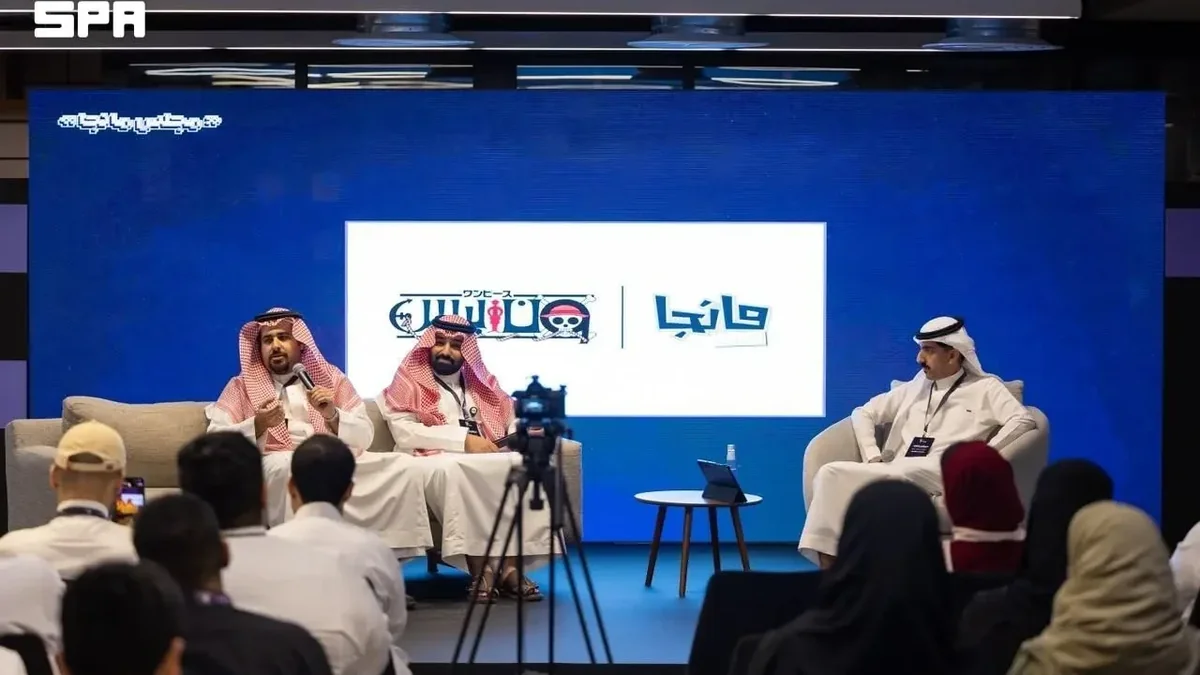
Japanese publisher Shueisha and SRMG subsidiary Manga Arabia officially launched the licensed Arabic edition of One Piece on October 19, 2026. The release delivers over 100 chapters via the Manga Arabia Youth app, ending a 27-year regional distribution void.
A 27-Year Vacuum: How Unofficial Scanlations Defined Middle Eastern Manga Culture
Since the television anime premiered in October 1999, audiences across the Middle East and North Africa consumed Eiichiro Oda's work almost exclusively through volunteer scanlation networks. Decentralized digital forums translated leaked Japanese magazine spreads into Arabic, filling an institutional void left by international distributors who bypassed Arabic localization. That informal ecosystem cultivated a massive fan base while depriving Shueisha of direct commercial metrics across the territory.
The absence of authorized regional publishing forced entire generations of readers to rely on unofficial platforms characterized by inconsistent terminology and compromised panel reproduction.
Manga Arabia was established by the Saudi Research and Media Group to reverse this structural dependency by securing direct intellectual property agreements with Tokyo publishers. While earlier licensing agreements incorporated contemporary action titles, securing Shueisha's flagship series represents the commercial core of that strategy. Official availability allows the publisher to establish legitimate copyright precedent in an expansive market of over 400 million native Arabic speakers. Shueisha now competes directly against the entrenched convenience of the underground translation channels it ignored for decades.
Technical Localization and the Challenge of Right-to-Left Layouts
Adapting manga into Arabic presents a visual engineering hurdle that western releases rarely encounter. Arabic text reads horizontally from right to left, aligning naturally with the right-to-left page-turning orientation of Japanese print while clashing directly with the narrow vertical geometry of original dialogue bubbles.
Production Manager Noura Al-Jumaili noted that the Arabic editions went through meticulous direct translation, reviews, proofreading, and dialogue adjustments fitted carefully to the original artwork to preserve the series' authentic identity. Rather than mirroring panel art—a destructive legacy technique that inverts characters' handedness and architectural backgrounds—the technical team adjusted Arabic typography to fill vertical bubbles without masking line work. This discipline preserves Eiichiro Oda's original panel choreography and pacing intact.
Direct translation from the Japanese source text also eliminates the linguistic distortion common in third-party releases, which historically translated Arabic dialogue from secondary English adaptations rather than the Japanese original.
The 1,000-Chapter Deficit and the Shonen Jump Release Rhythm
The immediate operational challenge for the platform lies in the sheer volume of material separating the debut package from contemporary serialization. Manga Arabia released just over 100 chapters at launch, corresponding roughly to the foundational East Blue Saga. Meanwhile, Weekly Shonen Jump published Chapter 1195 on October 11, 2026, and Chapter 1196 on October 18, 2026, plunging deep into the climactic Elbaf storyline in Japan. That chronological gap leaves an active deficit of 1,096 chapters between the localized catalog and ongoing canon events.
Veteran readers who actively track weekly developments regarding the Holy Knights and Emperor Luffy cannot substitute current releases with introductory chapters. When Shueisha launched its international MANGA Plus platform in January 2019, it introduced simultaneous chapters in English and Spanish, eventually adding Portuguese, French, and Indonesian. By relying on a regional licensee rather than expanding MANGA Plus directly, Shueisha accepts a staggered archival release model that leaves existing readers reliant on informal web trackers for current canon revelations.
Dr. Essam Bukhary, General Manager and Editor-in-Chief of Manga Arabia, highlighted that bringing One Piece to the platform marks a significant milestone given the series' massive global reach and history with Arab fans. Reaching parity with Japanese publication schedules remains the true operational benchmark for regional retention. The initial 100-chapter catalog serves primarily to onboard younger demographics who have never experienced the sprawling narrative from its opening pages.
Strategic Timing Across the Anime Hiatus and Global Expansion
The digital expansion arrives at a delicate inflection point for the broader franchise, which is navigating a substantial structural overhaul of its primary media footprint.
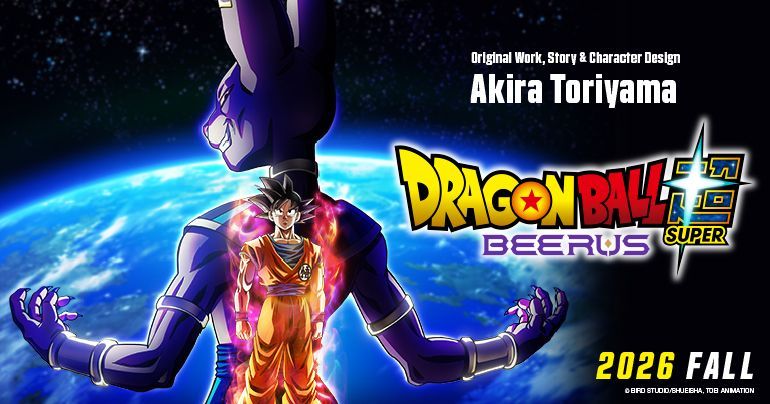
Toei Animation's television adaptation concluded its uninterrupted weekly broadcast with Episode 1180 in late September 2026. The studio shifted the production pipeline toward a condensed 26-episode seasonal format scheduled to launch in 2027, vacating its Sunday morning broadcast slot on Fuji TV for Dragon Ball Super: Beerus beginning October 11, 2026. That television hiatus deprives Shueisha of weekly anime syndication momentum, heightening the commercial importance of international publishing initiatives.
With worldwide circulation exceeding 516.5 million copies across 61 countries, One Piece represents Shueisha's most lucrative cultural export. Over 410 million copies circulate domestically in Japan, making untapped international territories across the Middle East and North Africa essential growth vectors as domestic print volumes encounter demographic plateaus.
Delivery Timelines and Manga Arabia's Next Catalog Milestones
Dr. Essam Bukhary's editorial division at Manga Arabia currently distributes the initial catalog free of charge on its mobile application, focusing on user acquisition over immediate paywall friction. The publishing roadmap requires regular batch uploads to validate consumer engagement before introducing formal monetization models for subsequent narrative arcs. Maintaining consistent delivery across Alabasta and Skypiea will determine whether the platform transforms a prestigious licensing acquisition into a permanent commercial hub.
With Eiichiro Oda's original manga returning from its scheduled break on November 1, 2026, the burden shifts to Manga Arabia to prove its localization pipeline can sustain the endurance One Piece demands.
Was this article helpful?
Your feedback helps our editorial team refine reporting depth and accuracy.
Related Articles
Oct 10, 2026
Dragon Ball Z: Budokai Tenkaichi 3 Gets Native PC Decompilation and Viral Browser Port
Reverse engineering frees the 2007 PS2 classic from emulator bottlenecks via native C recompilation, while open-source developers strictly distance from viral web clones.
Oct 7, 2026
Boruto Chapter 38 Triggers Konoha Leadership Crisis as Shikamaru Faces Treason Accusations
Official previews for Boruto: Two Blue Vortex Chapter 38 reveal treason accusations against Shikamaru Nara as Kawaki apologizes to a sealed Naruto in Daikokuten.

Oct 4, 2026
Dragon Ball Super: Beerus Rebuilds Anime Canon With 19 Streamlined Episodes
Eleven years after rushed television deadlines damaged the original broadcast, Toei Animation condenses early Dragon Ball Super into 19 polished episodes, adopting the cinematic visual language of Broly.