Dragon Ball Z: Budokai Tenkaichi 3 Gets Native PC Decompilation and Viral Browser Port
Reverse engineering frees the 2007 PS2 classic from emulator bottlenecks via native C recompilation, while open-source developers strictly distance from viral web clones.
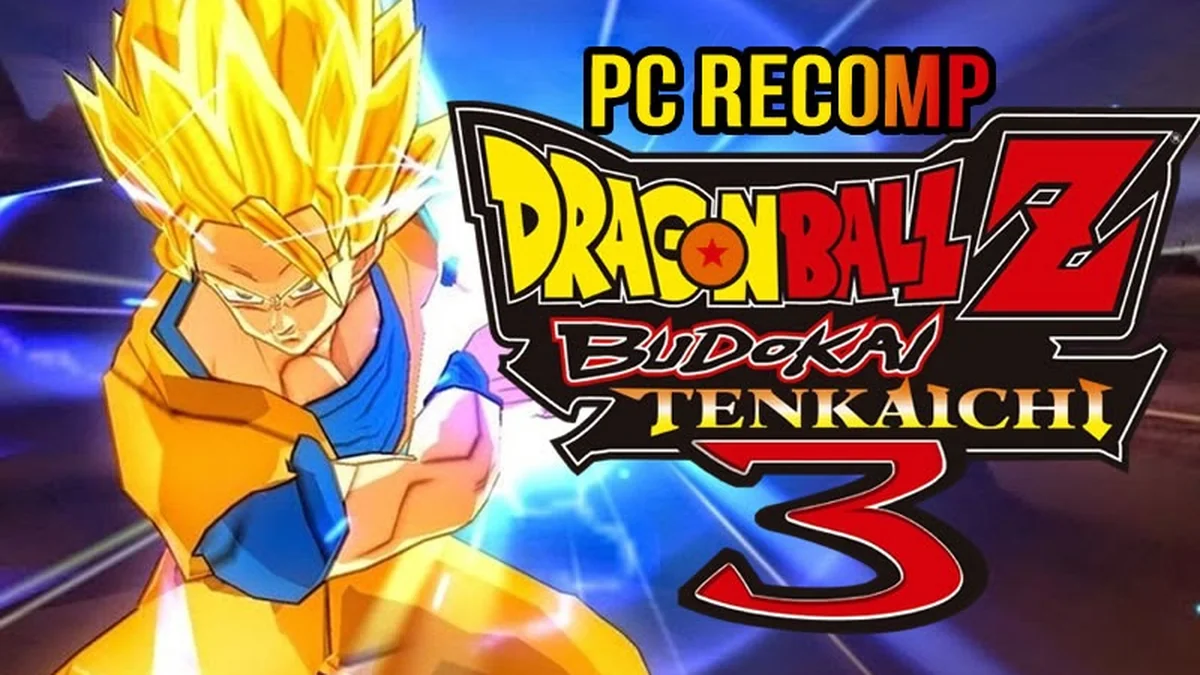
A collaborative reverse engineering effort published by developer z3xox achieved a milestone on October 19, 2026, releasing update v0.1.37.1 for Tenkaichi3Decomp to stabilize native PC gameplay of Dragon Ball Z: Budokai Tenkaichi 3. The release translates original PlayStation 2 code directly into standalone x86 binaries, moving the 2007 title beyond traditional hardware emulation.
Simultaneously, independent web platforms hosting browser-based streaming ports of the arena fighter recorded breakout interest across search networks, logging spikes above 5,000 percent for online matchmaking. The resulting surge highlights a stark operational divide within video game preservation, separating clean-room recompilation from unvetted browser distribution.
Bypassing the Emulator: How Native C Recompilation Reconstructs the PS2 Codebase
Traditional emulation relies on virtualization programs like PCSX2 to translate complex Emotion Engine processor calls into modern instructions, a process that historically introduced input lag and high system demands.
Tenkaichi3Decomp takes a fundamentally different path by utilizing matching C code reconstructed under the BT3-Decompiled project, specifically targeting the North American PlayStation 2 disc image SLUS-21678. Developers wrote replacement layers for graphics, audio output, file handling, and controller inputs from scratch, allowing the compiled executable to interface directly with modern operating systems. The software integrates a Vulkan graphics pipeline capable of scaling internal resolution up to 8x, while retaining an OpenGL 3.3 fallback for legacy hardware. Displays now render accurate geometry in true 16:9 and 21:9 ultrawide aspect ratios, eliminating the horizontal stretching that previously distorted character models in third-party emulation plugins.
Original developer Spike originally launched the fighting title across North American retailers in November 2007, bundling 161 character forms into split-screen arena combat. Maintaining that extensive roster without relying on compatibility hacks required full binary verification against the retail disc data.
High-Framerate Motion and the Measured Latency of Frame Interpolation
While the original console software executes combat calculations at a locked 30 updates per second, the native PC build incorporates an optional motion smoothing routine.
The renderer calculates intermediate graphical frames between physics ticks, presenting visual output at 60, 120, or 240 frames per second on high-refresh monitors. However, technical documentation published in the project repository confirms that this visual interpolation introduces a measured display latency between 17 and 29 milliseconds, as newly computed frames reach the screen slightly behind immediate controller polling. The combat loop, hitboxes, and timing windows remain locked to 30 calculations per second, meaning competitive execution matches console standards. Split-screen matches run the smoothing routine independently across both halves of the display without desynchronizing character states.
Input mapping also receives dedicated adjustments for modern controllers.
Players engaging in beam struggles or rush clashes can remap directional inputs to the Square button, assigning variable values of 1, 1.5, 1.75, or 2 to individual button presses. This adjustment mirrors the four-directional inputs of traditional analog stick rotations, sparing modern gamepad hardware from the physical wear associated with original DualShock 2 gameplay.
Restoring Dragon Net Battle Through Rollback Netcode and Patch 0.1.37.1
Online play in the native PC release resurrects the dormant "Dragon Net Battle" interface, an online matchmaking framework originally restricted to the Nintendo Wii version in late 2007.
The reconstructed network layer provides cross-platform multiplayer between Windows and Linux systems, enabling private room codes for single battles, team matches, and Destruction Point competitions. Version 0.1.37.1, deployed on October 19, 2026, resolved critical multiplayer bugs where sound effects for Z-counters, vanish dodges, and teleports failed to trigger during rollback prediction windows. The patch also fixed a state bug that left Solar Flare visual blinding active across entire online rounds.
Network desynchronizations receive a fundamental behavioral update in the latest release.
Rather than terminating the match immediately upon a packet mismatch, the system now displays a frame warning and maintains the fight active. The underlying log system records connection diagnostics in a local text file, isolating packet arrival delays from player hardware frame drops. Both players must run identical build versions and original game disc data to connect, preventing modified character attributes from breaking multiplayer lobbies.
The Legal Frontier Between Clean-Room Preservation and Web Streaming Clones
The sudden visibility of Tenkaichi3Decomp coincides with the viral expansion of third-party streaming websites such as dragonballbt3.online, which deliver browser-playable builds directly to mobile and desktop browsers.
These browser hubs rely on WebAssembly containers and remote ROM hosting to deliver instant access, but community players note substantial input latency, erratic private room connections, and intrusive advertising networks. Crucially, the maintainers of Tenkaichi3Decomp issued an explicit disclaimer denying any association with browser streaming hubs. The project README clarifies that the open-source repository distributes zero copyrighted assets, game code, audio files, or character textures, requiring users to supply their own legally acquired SLUS-21678 disc image. Platforms streaming the game through web browsers distribute proprietary assets directly, establishing substantial copyright exposure under commercial distribution statutes.
The methodology mirrors established clean-room decompilation precedents, including the historical source reconstruction of Super Mario 64, The Legend of Zelda: Ocarina of Time through Ship of Harkinian, and Jak and Daxter through OpenGOAL.
By isolating reverse-engineered C code from proprietary intellectual property, preservation programmers operate within reverse engineering legal exemptions recognized across international software jurisdictions. Web portals streaming full game files lack such protections, leaving their operations vulnerable to DMCA takedown actions from intellectual property owners.
Developer Repositories and Publisher Licensing Across Game Preservation
Developer z3xox continues active commits on GitHub to stabilize cross-platform multiplayer logs and optimize Vulkan shader compilation across varying graphics drivers. Planned development milestones prioritize automated memory dump auditing, expanded controller profile presets, and diagnostic logging for multi-region community tournaments. Repository documentation notes that future build targets may explore experimental macOS compatibility once core rendering layers achieve stability across Linux and Windows environments.
Bandai Namco Entertainment and rights holder Shueisha retain exclusive distribution trademarks over the Dragon Ball video game catalog, leaving the title without an official digital storefront release. While the corporate owners have not issued legal notices regarding clean-room source repositories, active monitoring of unlicensed browser portals and commercial ROM hosts remains standard corporate practice.
Was this article helpful?
Your feedback helps our editorial team refine reporting depth and accuracy.
Related Articles
Oct 1, 2026
Liquid Swords Files for Bankruptcy as Open-World Action Title Samson Fails to Stem Losses
The Stockholm District Court orders Liquid Swords into liquidation after months of unpaid wages, ending the independent studio founded by Just Cause co-creator Christofer Sundberg.
Sep 30, 2026
Jagex Cancels RuneScape Reignited as Studio Retreats from Server Split Under Player Pressure
Jagex abandons the isolated servers of RuneScape Reignited less than two weeks after its unveiling, conceding to player backlash and avoiding a repeat of its 2012 combat crisis.
Sep 28, 2026
Call of Duty: Modern Warfare 4 Ends Saga as Activision Admits Annual Release Fatigue
Activision confirms Modern Warfare 4 will conclude its seven-year narrative reboot, as executive admissions of annual fatigue and player decline expose the growing operational costs behind sustaining military gaming's biggest blockbuster.