Jagex Cancels RuneScape Reignited as Studio Retreats from Server Split Under Player Pressure
Jagex abandons the isolated servers of RuneScape Reignited less than two weeks after its unveiling, conceding to player backlash and avoiding a repeat of its 2012 combat crisis.
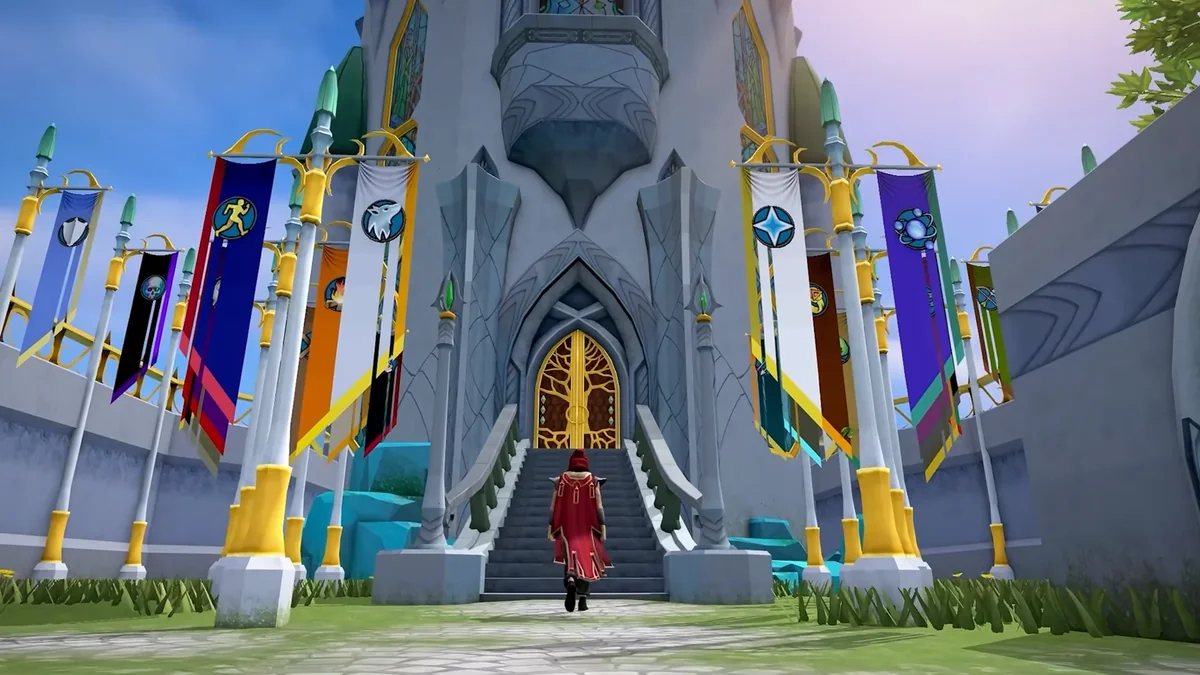
On October 15, 2026, British game studio Jagex formally announced the immediate cancellation of RuneScape Reignited, shelving the project less than two weeks after its initial unveiling at RuneFest 2026 in Birmingham. The reversal marks one of the swiftest corporate retreats in modern live-service history. Associate Creative Director Mod Ryan delivered the verdict across official video broadcasts and development dispatches, acknowledging openly that the studio had missed the mark while conceding that growing the audience should never occur at the expense of the established community.
The abandoned initiative had attempted to resolve one of the most stubborn dilemmas in PC gaming: how to entice lapsed adventurers and total newcomers into a twenty-five-year-old virtual world without alienating long-term subscribers. Yet the proposed mechanism—isolating players on clean servers with a severed economy—triggered an instant revolt across community forums and clan networks. In capitulating to player pushback, Jagex opted to preserve the unified social fabric of its flagship MMORPG over an unproven acquisition experiment.
The Flawed Architecture of Isolated Economies
RuneScape Reignited had been pitched at RuneFest as a pristine sanctuary free from twenty-five years of accumulated market distortions. Under the proposed framework, players could construct permanent fresh-start characters residing in an entirely segregated ecosystem. These Reignited accounts were promised independent high-score leaderboards and a complete ban on paid progression, microtransactions, or Bonds. To maintain this artificial separation, the technical specification prohibited Reignited characters from trading items with legacy Veteran accounts or sharing boss instances and dungeon encounters.
The structural division sparked immediate outrage among veteran guilds. The core strength of RuneScape has never been its graphical fidelity or modern combat conventions; its enduring appeal rests entirely on the liquidity of the Grand Exchange and an interconnected world where every player shares the same economic reality. Fracturing that population into two quarantined tiers threatened to hollow out legacy servers, converting thriving commercial hubs into underpopulated ghost towns.
Furthermore, veteran players viewed the clean-slate economy as an indirect indictment of their own time investment. Barring players who had spent fifteen or twenty years cultivating trade networks from interacting with incoming users created an artificial caste system. Guild masters argued that long-term commitment was being disregarded in favor of unproven marketing initiatives. The design punished player loyalty to prioritize hypothetical new registrants who might never convert into paying members.
The Lingering Trauma of the Evolution of Combat
The speed of Jagex's retreat reflects profound institutional memory within its Cambridge headquarters. When Mod Ryan addressed the community, his language pointedly evoked the darkest chapter in the studio's corporate history. He explicitly reaffirmed that the studio would not repeat past mistakes, confirming that the decision to scrap Reignited came directly from taking player feedback into account.
That unspoken precedent is the disastrous rollout of the Evolution of Combat in November 2012. Back then, studio executives ignored months of vocal beta feedback, forcibly replacing RuneScape’s rhythmic tick-based combat with an action-bar system that alienated purists. The resulting exodus cut active subscriber numbers by roughly fifty percent in mere months, inflicting structural damage that was only remedied when Jagex restored an August 2007 server backup to establish Old School RuneScape in February 2013. The current creative leadership clearly understands that ignoring player panic over core systemic changes can threaten the studio's baseline survival.
Corporate pressures amplify that historical caution. In February 2024, private equity firms CVC Capital Partners and Haveli Investments acquired Jagex in an institutional buyout valued at approximately £900 million ($1.1 billion). Institutional owners demand predictable cash flows and sustained user acquisition, creating an environment where radical experiments like Reignited are conceived to unlock growth. Yet that same financial exposure makes a crippling revolt intolerable; Cambridge could not afford another decade-long player rebellion while servicing private equity debt obligations.
The Preserved Scope of the December Overhaul
Despite abandoning the server split, Jagex will move forward with the foundational onboarding improvements scheduled for December 2, 2026. The centerpiece of this deployment is an extensive overhaul of the starting territories around Burthorpe and Taverley, which replaces decades of confusing tutorial clutter with the newly architected Adventure Guide. This modular pathing system guides new players through core questing beats without walling them off into separate instances.
To drive re-engagement, the studio is deploying a ten-day free membership trial running from December 2 to December 12, 2026. Access to this promotional window is strictly conditioned for returning participants. Eligible players must register entirely new accounts or log into existing legacy profiles that have not held an active paid membership since June 2, 2026. The promotion grants temporary access to premium quest lines, expanded landmasses, and higher-tier gathering skills within the main world.
By shifting its acquisition strategy from segregated servers to an inclusive trial window, Jagex solves its onboarding deficit while keeping the player base intact. Newcomers will populate the same world as maxed veterans, preserving the social contrast that has historically inspired apprentice players to pursue endgame milestones. The economy remains singular, the Grand Exchange retains its unified trading depth, and the risk of server desertion disappears.
Studio Commitments and the Roadmap for 2027
Jagex leadership in Cambridge confirmed that the broader 2027 development roadmap unveiled at RuneFest remains entirely intact following the cancellation. The forward schedule outlines three distinct narrative arcs spanning the calendar year, alongside persistent technical rollouts under the Road to Restoration initiative and major expansions for Dragonwilds and Old School RuneScape.
Studio engineers also continue preliminary engineering on the unannounced fourth MMO in the franchise, developed in Unreal Engine under the working title RuneScape 4. The studio has scheduled the rollout of the December 2 update as the next operational milestone for testing server capacity and onboarding retention across its unified player base.
Was this article helpful?
Your feedback helps our editorial team refine reporting depth and accuracy.
Related Articles
Sep 28, 2026
Call of Duty: Modern Warfare 4 Ends Saga as Activision Admits Annual Release Fatigue
Activision confirms Modern Warfare 4 will conclude its seven-year narrative reboot, as executive admissions of annual fatigue and player decline expose the growing operational costs behind sustaining military gaming's biggest blockbuster.

Sep 25, 2026
Assassin’s Creed Destiny: Canceled Ancient China PC and Console Project Unveiled in Leaked Footage
Leaked developer portfolio archives reveal Assassin’s Creed Destiny, a canceled PC and console installment set during the fall of the Qin Dynasty, exposing the high-stakes corporate recalibration that sidelined full-scale historical adventures in favor of lower-risk mobile pipelines.
Sep 2, 2026
Sony Reaffirms 2028 Physical Disc Phase-Out with Japan PS5 Digital Announcement
Sony Interactive Entertainment reiterates its unyielding January 2028 deadline for physical disc phase-out, anchoring the policy in the Japan-exclusive PS5 Midnight Black Digital announcement and 82 percent digital software sales.