Assassin’s Creed Destiny: Canceled Ancient China PC and Console Project Unveiled in Leaked Footage
Leaked developer portfolio archives reveal Assassin’s Creed Destiny, a canceled PC and console installment set during the fall of the Qin Dynasty, exposing the high-stakes corporate recalibration that sidelined full-scale historical adventures in favor of lower-risk mobile pipelines.
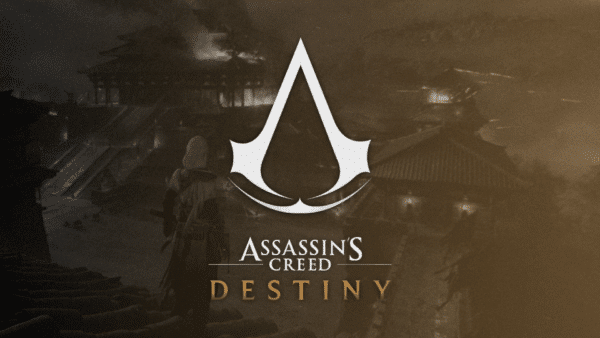
Video game publication MP1st unearthed early prototype gameplay footage and developmental assets for an unannounced, canceled project titled Assassin’s Creed Destiny. Sourced directly from public portfolios maintained by former production staff, the leaked materials reveal that Tencent subsidiary TiMi Studio Group was co-developing a full-scale console and personal computer installment alongside Ubisoft. The project represented a rare initiative to deliver an expansive, three-dimensional historical adventure set in imperial China specifically engineered for current-generation home platforms.
Archival documentation dates the primary functional prototype build to February 2025, just weeks before corporate realignments quietly shuttered active production across the studio. While Ubisoft had previously commissioned the mobile-exclusive title Assassin’s Creed Jade, Destiny was conceived on an entirely separate technical scale intended to compete directly in the premium console ecosystem.
Qin Dynasty Warfare: Xiang Yu's Siege and Weaponized Umbrellas
The leaked prototype sequence centers on an infiltration mission set within a sacred imperial palace under military siege by warlord Xiang Yu and his rebel forces. Playing as a female assassin, the operative navigates contested defensive ramparts and burning corridors to secure an unnamed historical artifact. Developer capture reels demonstrate early encounter design for an elaborate boss battle directly confronting Xiang Yu, whose imposing halberd model appears in adjacent portfolio weapon renders.
Combat testing environments showcase distinct experimental mechanics, most notably a weaponized spinning umbrella utilized for rapid defensive parries and offensive strikes. These skirmishes unfolded alongside traditional franchise hallmarks like high-altitude leaps of faith and fluid wall-running, monitored by an ink-brush aesthetic user interface featuring health gauges and ornate yin-yang status meters.
Supplementary animation reels demonstrate a male character using parkour to execute stealth takedowns against sentries, suggesting that the development team planned either a dual-protagonist narrative or an initial gender-selection mechanic. Detailed weapon renders corroborate this mechanical breadth, displaying close-up technical passes for both Xiang Yu’s heavy polearm and the player’s unique folding parasol. These technical assets confirm that TiMi had already translated conceptual historical research into functioning three-dimensional gameplay systems.
Nine Years After Jade: The Historical Weight of the 206 BCE Transition
Chronologically anchored in 206 BCE, Destiny was situated in the turbulent final months of the Qin Dynasty, placing its events nine years after the 215 BCE timeline explored in Assassin’s Creed Jade. That specific historical junction marked the surrender of Qin ruler Ziying and the fiery capture of the capital at Xianyang, providing a dense historical backdrop of civil war and dynastic collapse.
The franchise previously visited China only once in 2015 with Assassin’s Creed Chronicles: China, a modest 2.5D side-scrolling spin-off developed by Climax Studios that followed protagonist Shao Jun during the sixteenth-century Ming Dynasty. A full-budget, third-person open-world campaign set across ancient Chinese dynasties had stood as one of the community’s most persistent requests for more than a decade. The discovery of Destiny confirms that Ubisoft and its development partners actively engineered that exact premise before institutional priorities terminated the pipeline.
Unlike mobile experiences designed around touchscreen interaction and aggressive session gating, Destiny was architected around standard controller inputs, expansive draw distances, and physical collision models tailored for modern hardware. That technical commitment required substantial dedicated engineering resources, setting it apart from lighter companion projects.
The Corporate Pivot: Profit Margins and TiMi’s Western IP Retreat
The cancellation of Destiny coincided with structural shifts across Tencent’s corporate organization, beginning with TiMi Studio Group reorganizing its operations into four distinct business units in January 2025. That internal reorganization preceded the quiet cancellation of Destiny, leaving the February prototype build as the project’s final documented milestone.
A broader industry investigation published by Reuters in March 2024 revealed that Tencent had begun systematically curtailing its investments in licensed Western franchises, where profit margins are heavily eroded by intellectual property royalties that typically command 15 to 30 percent of gross revenue. The Chinese technology conglomerate redirected internal talent away from costly foreign adaptations toward self-owned intellectual properties and casual multiplayer projects. Hundreds of developers previously dedicated to ancient Chinese historical assets were reassigned to party games like DreamStar to preserve higher operational margins.
That strategic retrenchment precipitated a wave of cancellations across TiMi’s global portfolio, including Athena, a third-person Greek mythology action title developed between 2024 and 2026. The shift culminated in February 2026 when TiMi shuttered its Montreal studio entirely, ending production on Invictus, a stylized open-world cyberpunk project led by Assassin’s Creed veteran director Ashraf Ismail.
The Unfinished Frontier of Chinese Historical Settings
While Destiny was permanently halted, Assassin’s Creed Jade remains in active development under Tencent’s Level Infinite publishing division and Ubisoft, though the mobile title currently lacks a firm public launch window. Concurrently, Ubisoft appointed long-standing Assassin’s Creed narrative director Jean Guesdon to steer creative leadership on the upcoming Assassin’s Creed Hexe, following his public remarks that early project realignments help studios redirect technical learnings into mature pipelines.
The unearthed gameplay files and weapon models of Destiny demonstrate that a mainline, current-generation Chinese historical adventure progressed well past conceptual storyboards into functional mechanics. For now, those assets survive strictly as portfolio archives preserved by departed artists and animators. The broader prospect of a full-scale console campaign exploring the civil wars of ancient China remains deferred, waiting for publishers willing to shoulder the financial equation that TiMi and Ubisoft ultimately abandoned.
Was this article helpful?
Your feedback helps our editorial team refine reporting depth and accuracy.
Related Articles
Sep 2, 2026
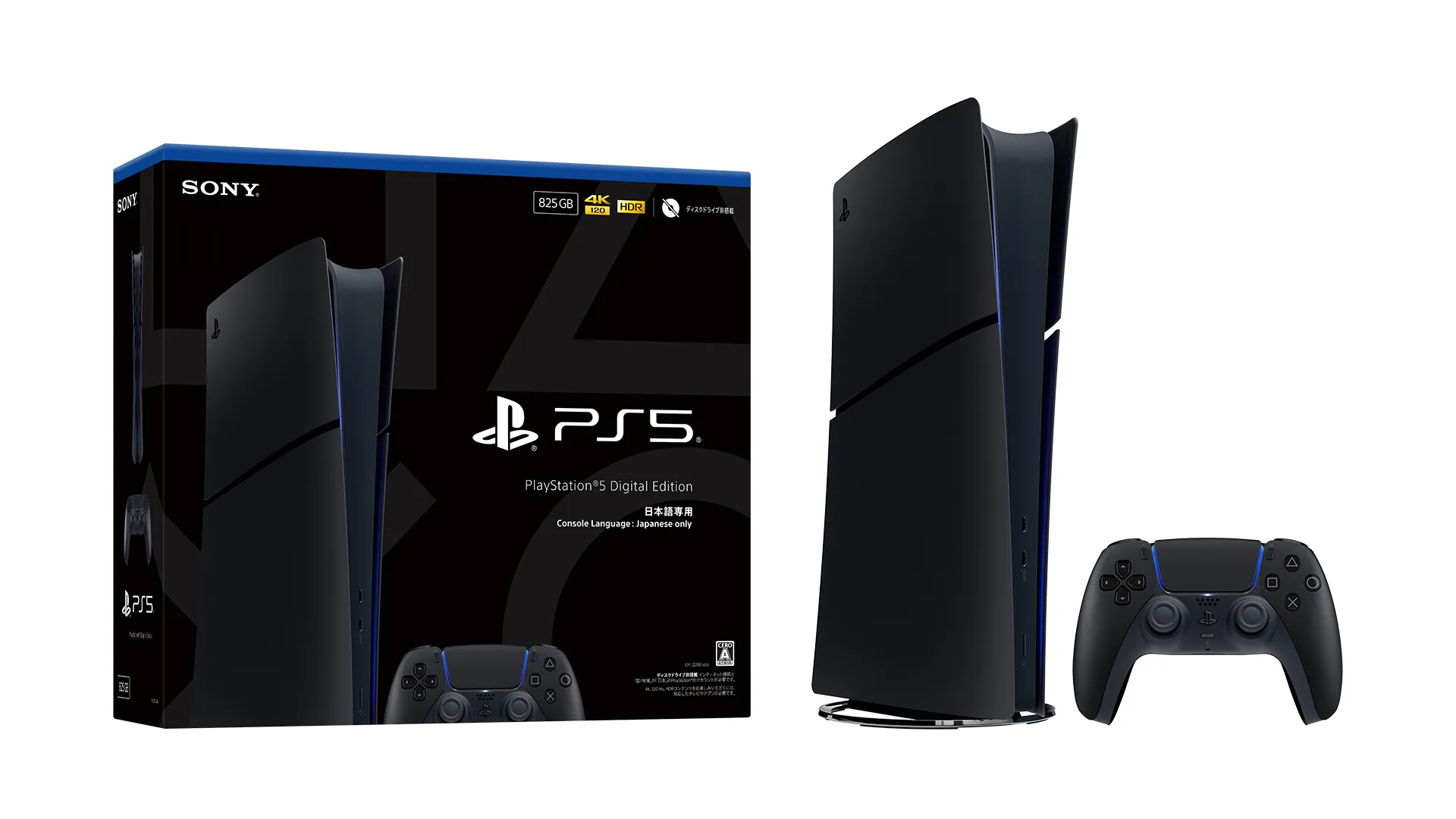
Sony Reaffirms 2028 Physical Disc Phase-Out with Japan PS5 Digital Announcement
Sony Interactive Entertainment reiterates its unyielding January 2028 deadline for physical disc phase-out, anchoring the policy in the Japan-exclusive PS5 Midnight Black Digital announcement and 82 percent digital software sales.
Sep 16, 2026
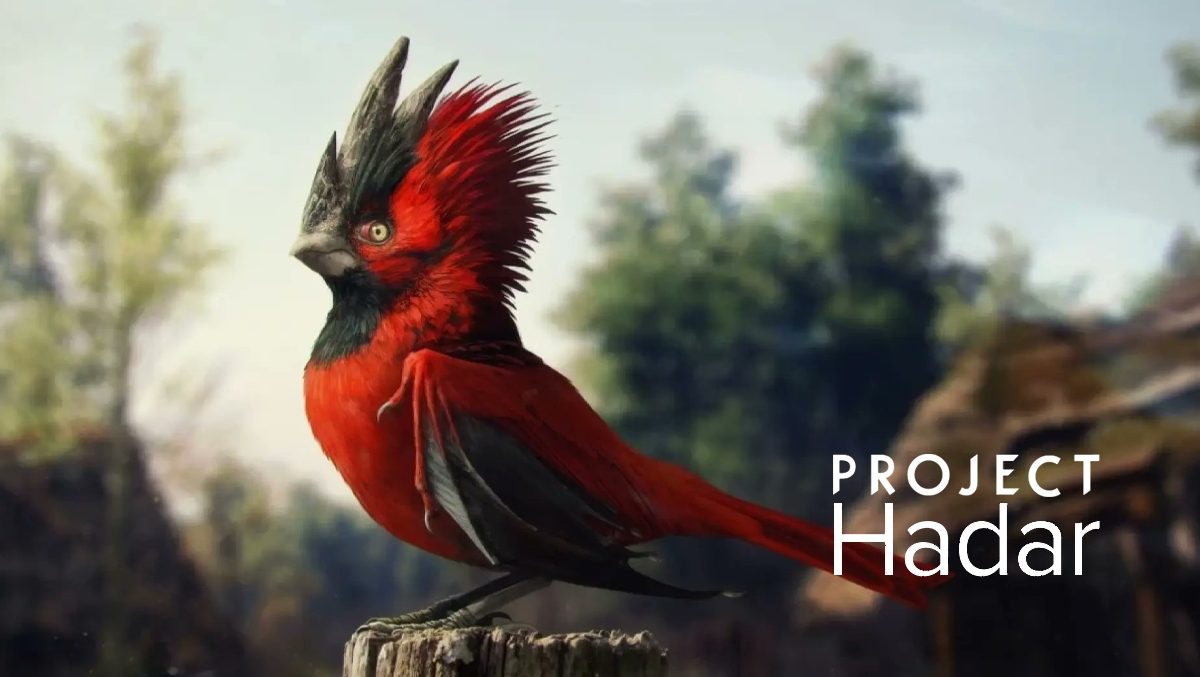
CD Projekt Red Completes World Vision for Project Hadar Without Entering Pre-Production
CD Projekt Red finalizes the conceptual foundation for Project Hadar, beginning early gameplay prototypes while keeping full pre-production on hold.
Sep 13, 2026
Cyberpunk: Edgerunners 2 Trailer Sets October 20 Debut With Standalone Night City Crew
Returning to Night City with ten standalone episodes on October 20, Studio Trigger and CD Projekt Red trade nostalgic fan service for a raw, four-character underworld study led by Clancy Brown.