Dragon Ball Xenoverse 3 Embraces Age 1000 to Escape a Decade of PS4 Hardware Limits
Bandai Namco and Dimps officially reveal Dragon Ball Xenoverse 3 for a 2027 launch on PS5, Xbox Series X|S, and PC, advancing the franchise into Akira Toriyama’s Age 1000.
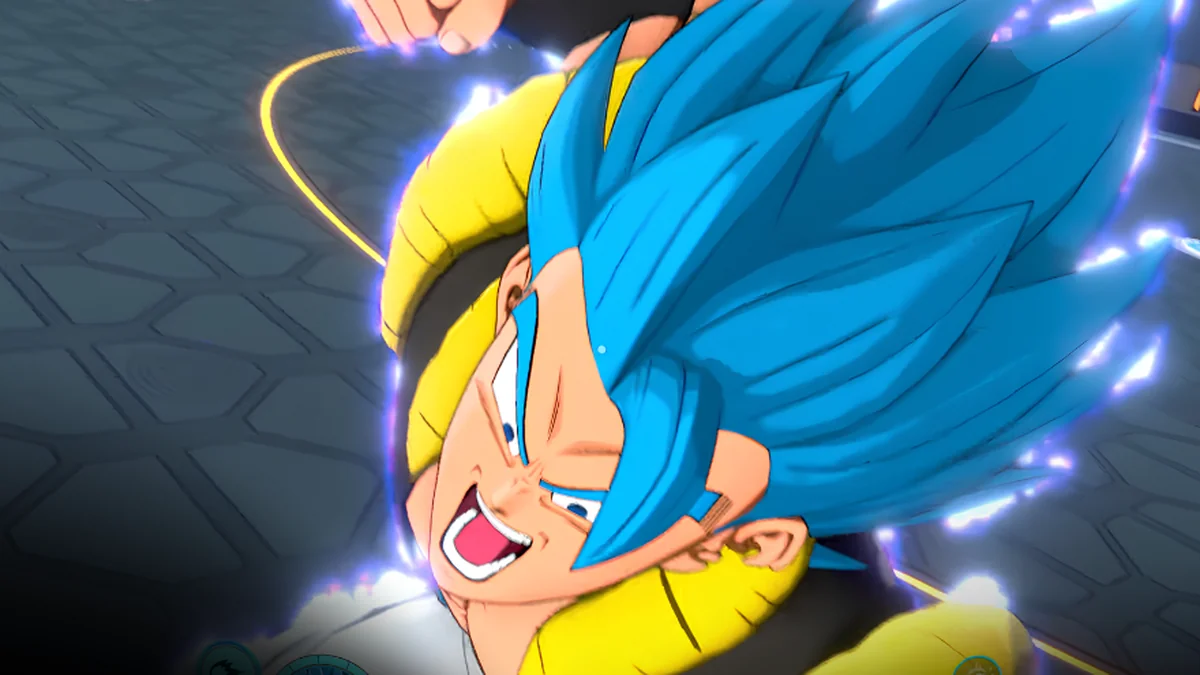
Bandai Namco Entertainment and developer Dimps Corporation showcased the inaugural gameplay footage for Dragon Ball Xenoverse 3 during the IGN Fall Fan Fest 2026, officially setting the arena role-playing title for a 2027 worldwide release across PlayStation 5, Xbox Series X|S, and PC via Steam. The broadcast marks the first formal sequel announcement for the sub-franchise in ten years, concluding an extended operational era that began when Dragon Ball Xenoverse 2 debuted in October 2016.
Rather than cycling through another familiar retelling of the Saiyan invasion and Namek arcs, the production advances the timeline directly into Age 1000, an unexplored chronological era based on world-building notes originally established by Akira Toriyama. Players operate within a futuristic West City alongside the Great Saiyaman Squad, encountering an integrated terrestrial society where human, Saiyan, Majin, and Namekian lineages share urban centers. The project breaks cleanly from eighth-generation consoles, discarding legacy hardware constraints to rebuild its core combat systems around current-generation memory and storage standards.
A Decennial Pivot to Current-Gen Hardware
Sustaining a single arena brawler across a decade marks a rare commercial lifespan within licensed Japanese anime gaming. Most contemporary franchises reset their technological baselines every three to four years through iterative numbered sequels.
According to official sales milestones published by Bandai Namco in May 2023, Dragon Ball Xenoverse 2 surpassed 10 million units sold worldwide, propelling total franchise sales past 15 million units across physical shipments and digital storefronts. Dimps sustained that commercial footprint through continuous seasonal expansions, introducing additional parallel quests, raid bosses, and character rosters long after industry peers transitioned to full engine sequels. That protracted support model required strict compromises, forcing developers to limit environmental destruction and arena geometry to accommodate the shared memory and mechanical hard drive speeds of baseline PlayStation 4 and Xbox One consoles. By targeting PlayStation 5, Xbox Series X|S, and PC exclusively, Dragon Ball Xenoverse 3 removes those technical bottlenecks to expand the scale of its active encounters.
Toriyama’s Post-Z Timeline and the Age 1000 Framework
The decision to set the adventure in Age 1000 draws directly upon the extensive background lore that Akira Toriyama authored for the Asian MMORPG Dragon Ball Online in 2010. Within canonical franchise chronology, this setting takes place exactly 216 years after the conclusion of Dragon Ball Z in Age 784, when Goku departed the 28th World Martial Arts Tournament to train Uub.
In Toriyama's narrative framework, the original Z-Fighters have passed into history, leaving behind a globe fundamentally transformed by their martial teachings and historical interventions. Gohan's foundational research treatise on energy manipulation democratized ki control throughout the civilian population, while Goten and Trunks established the Kikoukenjutsu sword academies to codify weapon-based martial disciplines across major cities. Earth also accommodated Namekian refugees following planetary displacements and welcomed a thriving Majin civilization that originated when Mr. Buu created his companion Miss Buu. Custom avatar creation operates within this altered societal fabric, removing the narrative reliance on Conton City time-travel patrols to position players as direct inhabitants of a living, post-classical world.
Navigating this distant era allows the creative team to craft self-contained conflicts that do not depend on rescuing Goku from predetermined history. Writers can introduce original villainous factions without risking contradictions against established manga chapters.
The Technical Delta: Why Ending Eighth-Gen Support Matters
The technical baseline of 2013 hardware severely restricted how Dimps structured multiplayer encounters and arena physics throughout the lifespan of Xenoverse 2. Legacy systems struggled to maintain steady frame pacing whenever multiple energy projectiles, volumetric smoke effects, and four simultaneous player models shared small arena spaces. The gameplay sequence shown during the IGN presentation highlighted real-time destruction across West City, showing high-velocity collisions that shatter concrete architecture rather than projecting flat, pre-baked textures onto static walls.
Dimps also introduced updated mechanical systems during the showcase, featuring coordinated Break Smash finishers and reactive Soul Assist commands configured for four-player cooperative encounters. These additions require low-latency physics calculations and continuous background simulation across active arena participants, capabilities enabled by modern multi-core processors.
Following the October 2024 launch of Spike Chunsoft's Dragon Ball Sparking! ZERO, which established a high visual standard on Unreal Engine 5, Dimps must differentiate Xenoverse 3 through systemic role-playing depth and structural progression. The transition to high-speed solid-state drives across PlayStation 5 and Xbox Series hardware provides the throughput needed to minimize the loading corridors that partitioned previous hubs into separate instances. Direct asset streaming allows urban districts and combat arenas to run with reduced friction, establishing a cohesive sense of physical space across West City. This architectural shift ensures that character builds, equipment modifiers, and team synergies dictate battle outcomes in expansive, multi-tiered battlegrounds. Encounters emphasize strategic role distribution over raw reflex inputs alone.
Bandai Namco's 2027 Launch Window and Platform Scope
Bandai Namco Entertainment currently holds Dragon Ball Xenoverse 3 to an unspecific 2027 release window, leaving exact calendar quarters and launch pricing to subsequent promotional updates. The publisher has not issued statements regarding potential adaptations for Nintendo's upcoming hardware platform or confirmed whether unified cross-platform progression will bridge console ecosystems and Steam. Detailed disclosures covering avatar customization archetypes, progression systems, and network infrastructure remain scheduled for forthcoming industry trade events as Dimps advances development toward its 2027 release target.
Was this article helpful?
Your feedback helps our editorial team refine reporting depth and accuracy.
Related Articles
Sep 2, 2026
Sony Reaffirms 2028 Physical Disc Phase-Out with Japan PS5 Digital Announcement
Sony Interactive Entertainment reiterates its unyielding January 2028 deadline for physical disc phase-out, anchoring the policy in the Japan-exclusive PS5 Midnight Black Digital announcement and 82 percent digital software sales.
Aug 30, 2026
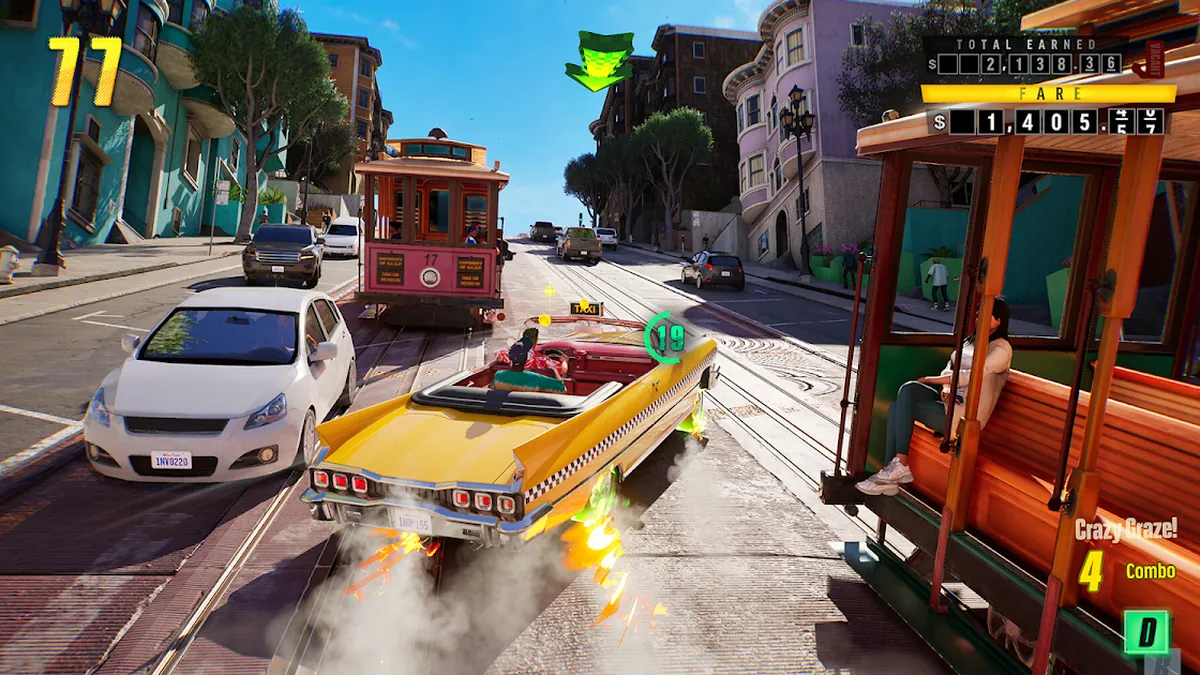
SEGA Unveils Rio de Janeiro Setting for Crazy Taxi: World Tour at BGS 2026
SEGA and series creator Kenji Kanno presented a 30-minute playable demo of Crazy Taxi: World Tour at Brasil Game Show 2026, revealing a Rio de Janeiro open-world map with authentic licensed storefronts ahead of its 2027 multiplatform launch.
Aug 24, 2026
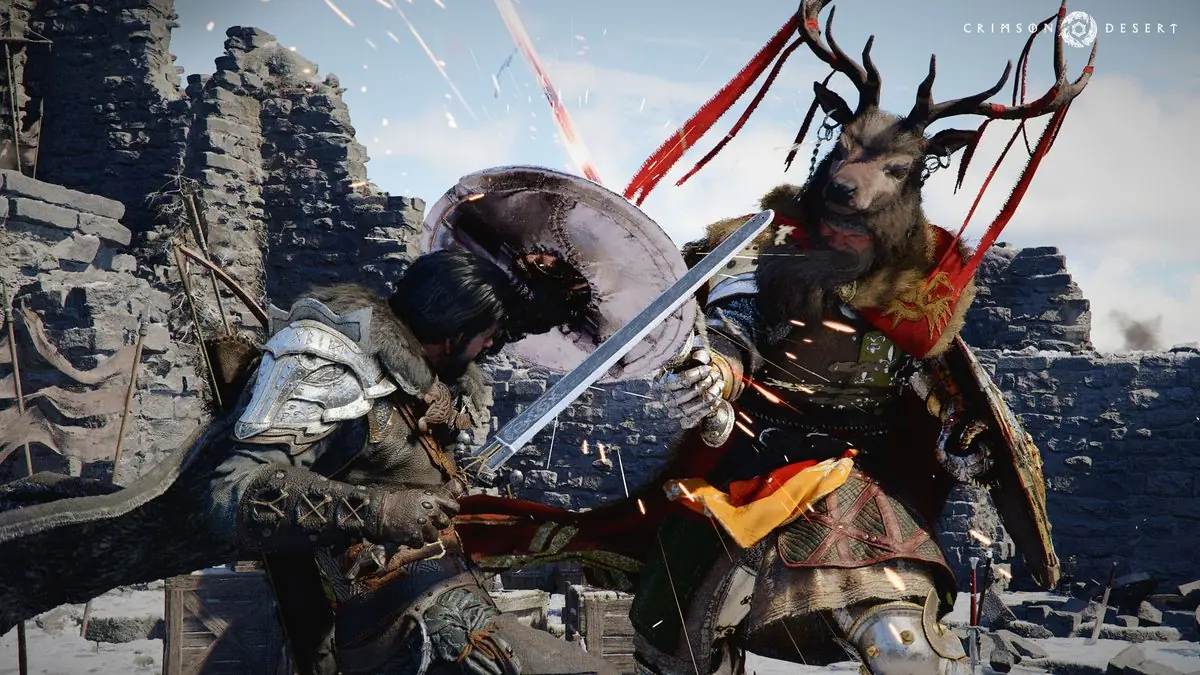
Crimson Desert’s 77 Metascore Sparks Industry Reckoning Over Review Embargos and Day-One Patches
Pearl Abyss executive Lybee Park acknowledges pre-launch review conditions and missing day-one patches impacted Crimson Desert's 77 Metascore as sales pass 5 million.