Project Rasengan: Masashi Kishimoto Returns With New Manga 'Shadow Rising' and 3-Year Naruto Roadmap at NYCC
Masashi Kishimoto officially returns to write and illustrate the new manga Naruto: Shadow Rising, headlining the 3-year Project Rasengan announced at NYCC 2026 alongside an anime crossover and new games.
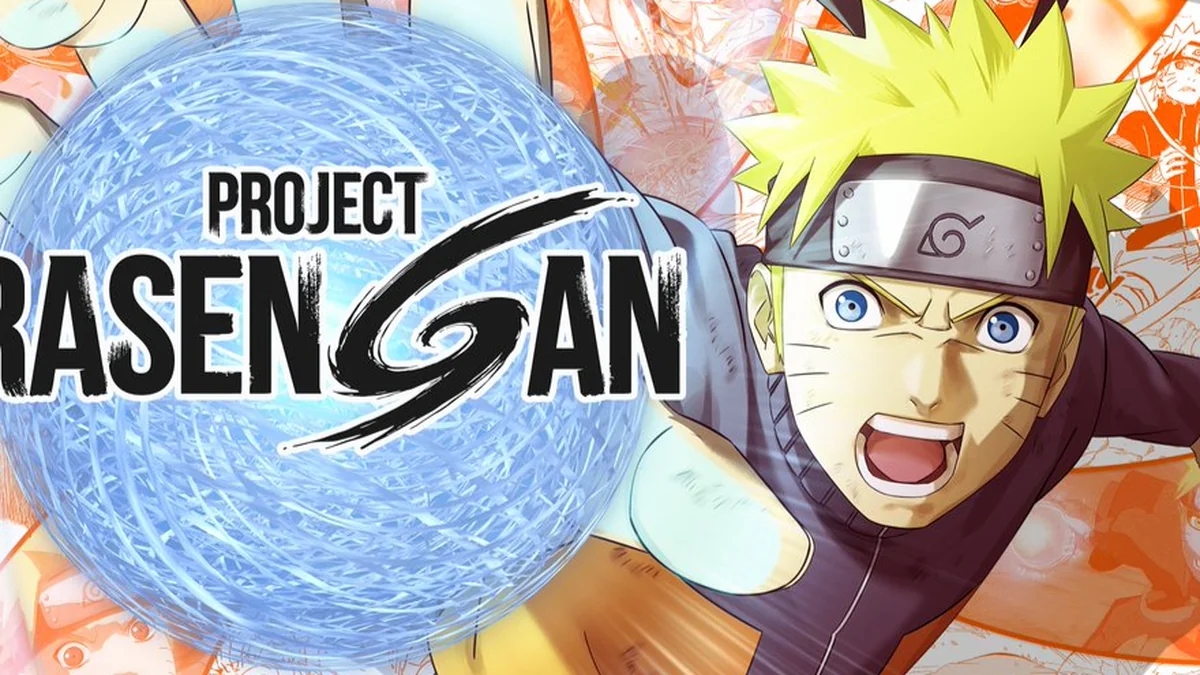
The Naruto franchise has unveiled Project Rasengan, a three-year multiplatform initiative running from 2027 through 2029 designed to celebrate the anime's upcoming 25th anniversary. Announced during the official "NARUTO: What's Next?" panel at New York Comic Con 2026, the strategy centers on the direct return of original creator Masashi Kishimoto to author and illustrate a brand-new manga titled Naruto: Shadow Rising.
The package also reactivates Studio Pierrot's delayed four-episode anime special as an official crossover with 1990s classic NINKU, alongside a worldwide physical card game release by Bandai and a 2D fighting mobile title. By steering resources back to Kishimoto's hand and the foundational era of the series, Shueisha and its production partners are anchoring the brand's long-term commercial future in its core creative authority.
Masashi Kishimoto and the Architecture of Project Rasengan
During the October 10 presentation in New York, voice actors Junko Takeuchi and Noriaki Sugiyama joined Studio Pierrot executive producer Yoshihiko Tominaga to detail the roadmap leading up to the anime’s 25th milestone in 2027. Project Rasengan serves as an umbrella initiative coordinating manga, animation, and interactive entertainment under a unified production calendar.
The focal point of the presentation was the reveal of Naruto: Shadow Rising. Teased through a short concept video, the upcoming manga marks the first time in twelve years that Kishimoto has committed to writing and illustrating a new serialized narrative since completing the original 700-chapter run in November 2014. Concept artwork displayed on stage depicted Kakashi Hatake standing beside Naruto in his Hokage robes, Sasuke Uchiha traveling solitary roads in the rain, Sakura Haruno holding a newborn Sarada, and craftsmen carving a new likeness into the iconic Hokage Rock.
Navigating the 'Blank Period' Between The Last and Boruto
Narratively, Shadow Rising positions itself within the franchise's most debated temporal vacuum: the decade bridging the climax of the Fourth Great Ninja War in The Last: Naruto the Movie and the modern era of Boruto. While Shueisha previously addressed portions of this timeline through third-party light novels like Kakashi Hiden and Sasuke Shinden, those releases operated without Kishimoto's direct pen on serialized sequential pages.
Returning to this transitional era allows the story to explore the political restructuring of the Hidden Leaf Village and the unresolved interpersonal tensions following the war. For long-term readers, witnessing Naruto's ascent to leadership and Sasuke's global reconnaissance through Kishimoto's organic visual style delivers narrative continuity that secondary adaptations struggled to replicate. The project anchors itself in character development rather than escalating cosmic threats, providing a grounded contrast to current franchise entries.
Studio Pierrot Revives the Four Special Episodes as a NINKU Crossover
Beyond print, Project Rasengan resolves an extended production stall at Studio Pierrot. Originally scheduled to air in September 2023 to commemorate the anime's 20th anniversary, the four special episodes were placed on indefinite hold to address animation quality standards. At New York Comic Con, Pierrot confirmed that the resurrected project will take the form of an official crossover limited series titled Naruto × NINKU.
The collaboration carries significant historical weight. Masashi Kishimoto has consistently cited Koji Kiriyama’s 1993 martial arts manga NINKU as the primary aesthetic and kinetic inspiration behind Naruto's creation. By bringing both Kishimoto and Kiriyama on board as direct project supervisors, Studio Pierrot reframes the delay from an operational setback into a deliberate homage to the franchise's creative origins, pairing the classic Team 7 with Kiriyama's ninja cast.
The 2027 Commercial Wave: Global Card Game and PS2-Style Brawler
On the gaming front, Bandai announced the worldwide launch of NARUTO CARD GAME scheduled for summer 2027. Official preview reels showcased physical cards featuring classic and lineage characters, including Sasuke, Shisui Uchiha with his Mangekyou Sharingan, Sakura, Kankuro, and Tayuya. The simultaneous international rollout reflects an industry shift toward synchronized multi-region trading card launches.
Complementing the tabletop release is an upcoming 2D fighting mobile title developed specifically for Western and global audiences. Rather than following standard automated gacha or puzzle mechanics, the project draws mechanical inspiration from the close-quarters fighting engine of the Naruto: Ultimate Ninja series originally popularized on PlayStation 2. The move targets players seeking tactile, skill-based martial arts exchanges on touchscreens.
The Jump Festa Horizon: What Remains Unanswered
Despite the comprehensive roadmap, Shueisha and Studio Pierrot left several structural questions open. The production committee did not clarify whether Naruto: Shadow Rising will debut as a limited miniseries, a digital release on Shonen Jump+, or a standalone graphic novel, nor did it disclose its total chapter count. Similarly, exact broadcast windows and distribution partners for Naruto × NINKU remain unannounced.
The next official disclosures are scheduled for Jump Festa 2027, taking place on December 19 and 20, 2026, at the Makuhari Messe convention center in Chiba, Japan. Until those panels convene, Project Rasengan stands as an ambitious operational framework: an intentional consolidation of legacy assets designed to reestablish Masashi Kishimoto's direct creative stamp on the global anime landscape.
Was this article helpful?
Your feedback helps our editorial team refine reporting depth and accuracy.
Related Articles
Oct 26, 2026
Firefly Wedding Hits 5M Copies as Manga Finale Syncs With Anime Debut
Shogakukan marks 5 million copies of Oreco Tachibana's 'Firefly Wedding' with Volume 13, coordinating print finality with David Production's Noitamina anime.
Oct 18, 2026
Shueisha and Manga Arabia Officially Launch 'One Piece' in Arabic in Historic Middle East Expansion
Shueisha and Manga Arabia officially launch One Piece in Arabic with 100+ chapters, ending a 27-year regional piracy cycle during the anime's broadcast hiatus.

Oct 10, 2026
Dragon Ball Z: Budokai Tenkaichi 3 Gets Native PC Decompilation and Viral Browser Port
Reverse engineering frees the 2007 PS2 classic from emulator bottlenecks via native C recompilation, while open-source developers strictly distance from viral web clones.