‘Midnight Spider-Man’ Leads Marvel Horror Imprint Past 1 Million Orders as Retailers Drive Historic Second Printings
Midnight Spider-Man #1 leads Marvel's new horror line past 1 million pre-orders, prompting rapid second printings as retailers see historic demand.
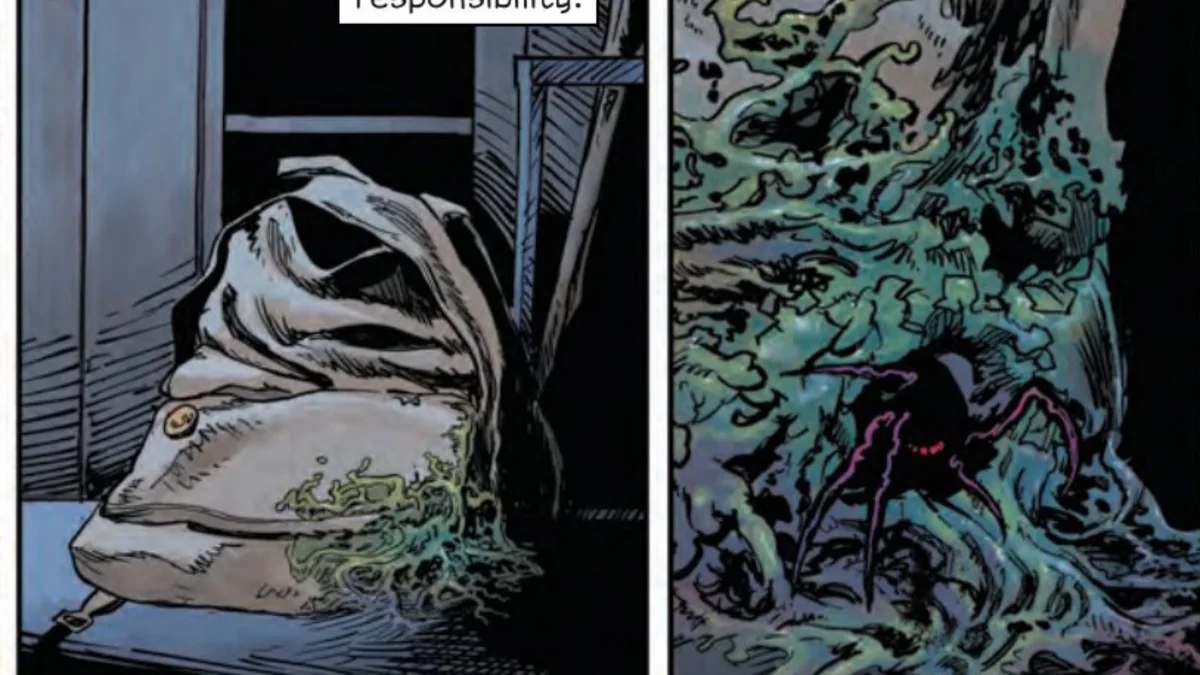
Marvel Comics crossed one million combined retailer pre-orders for its new horror-oriented Midnight Universe line ahead of its October 7, 2026 debut, according to sales data reported by Bleeding Cool and distributor order updates. Anchored by Midnight Spider-Man #1, the publishing initiative prompted Marvel to authorize an emergency second printing before the first issue physically arrived in North American comic shops.
The commercial surge marks a decisive shift away from conventional superhero narratives toward atmospheric, visceral body horror. Written by Phillip Kennedy Johnson with art by ScieTronc and colors by Neeraj Menon, the premiere issue reimagines Peter Parker outside the continuity of the main Earth-616 timeline and the Marvel Cinematic Universe. For specialty retailers navigating a volatile physical publishing market, the immediate demand signals a sustained collector appetite for creator-driven standalone mythologies that carry genuine narrative stakes.
Retail Momentum and the Fast-Tracked Second Printing
Initial distributor allocations sold out across specialty comic shops within hours of release. The debut wave—comprising Midnight Spider-Man #1, Midnight X-Men #1, and Midnight Fantastic Four #1—swept the top three positions on weekly point-of-sale charts tracked by ComicHub across hundreds of participating storefronts.
Priced at $5.99 for expanded premiere formats with cardstock covers, the titles generated an immediate inventory shortfall across retail accounts. Marvel responded on October 6, 2026, by scheduling second printings for November delivery to prevent secondary-market speculation and price gouging. Retailers who ordered conservatively found themselves rationing shelf copies on Wednesday morning, reflecting how deeply the horror framing resonated with dedicated comic readers seeking self-contained storytelling.
Point-of-sale transaction records verified that Midnight Spider-Man #1 claimed the single best-selling slot of the entire release week.
Subverting the Mythos Through Cronenbergian Mutation
The story strips away the comforting nostalgia of Stan Lee and Steve Ditko’s foundational 1962 origin story. In this standalone timeline, eighteen-year-old Peter Parker lives with his uncle Ben, who is actively pursuing a wrongful-death lawsuit against the Oscorp Corporation over the mysterious deaths of Peter’s parents. Peter works as an underpaid laboratory assistant to Dr. Curt Connors while running an anonymous digital activist channel titled "Sagan Ritual" to expose corporate environmental malpractice.
A recruitment offer from Felicia Hardy, serving as Oscorp’s Vice President of Talent Relations, draws Peter into the conglomerate’s high-security research labs. The facility’s scientists subject arachnids to concentrated gamma radiation and growth hormones in an unethical corporate bid for cellular longevity and commercial patents.
When an experimental specimen crawls into Peter backpack during a tour, the resulting bite triggers a gruesome, Cronenbergian physical metamorphosis rather than an empowering gift of agility. ScieTronc’s artwork renders the transformation as agonizing biological trauma, replacing heroic acrobatics with chitinous ruptures, compound vision, and involuntary bodily horror. A childhood trauma involving the violent death of Peter cat Bamf anchors the thematic shift, guided by his father Richard Parker warning that power creates monsters in every instance.
Stripping the Quips and Confronting Corporate Horror
During the New York Comic Con panel on October 18, 2026, writer Phillip Kennedy Johnson explained why Peter iconic humor had to be discarded entirely from the script. The creative team determined that banter, lighthearted quips, and pop-culture sarcasm undermined the terrifying gravity of physical corruption and corporate predation.
"In his heart and mind he is the Power With Responsibility kid, but like us, he lives in a Power Makes Monsters world," Johnson stated during press discussions at the convention. The writer elaborated that throughout the series, the increasingly powerful protagonist must battle his monstrous physical instincts to determine whether responsible power can survive in a corrupt reality. The narrative framework pivots directly toward institutional villainy, depicting Oscorp executive suite as untouchable billionaires exploiting marginalized communities through lethal human experimentation.
Critical reception reinforced the creative gamble, with ComicBook.com awarding the issue 4 out of 5 stars while praising ScieTronc ability to ground terrifying anatomical violence within everyday environments. Reviewers at AIPT observed that while the premiere functions strictly as atmospheric setup without a suited hero in costume, the slow-burn pacing establishes a haunting psychological baseline that earned the issue an 8.5 out of 10 composite average on Comic Book RoundUp.
The Strategic Value of Narrative Independence
The commercial reception mirrors historical publishing milestones where Marvel deliberately broke free from decades of continuity bloat. In 2000, the launch of Ultimate Spider-Man proved that resetting long-running character histories unlocked massive new readership without damaging the mainline books. By walling off the Midnight Universe from film-synergy mandates and cross-title crossovers, Marvel gave the creative team latitude to execute permanent consequences and uncompromised horror.
That creative autonomy shielded the release from the franchise fatigue currently affecting mainstream superhero media across entertainment sectors.
Production Schedules and the November Restock
Marvel Comics and its direct-market distribution partners are finalizing logistics to ship the second printing of Midnight Spider-Man #1 to North American comic shops by mid-November 2026. The publisher confirmed that subsequent chapters from Johnson and ScieTronc will follow a monthly release schedule through early 2027.
Editorial teams have not scheduled any crossovers or shared-universe tie-in issues for the line during its initial six-issue run. Retailers and readers will measure whether this horror imprint can maintain its extraordinary sales momentum as Peter Parker confronts the reality of his irreversible transformation. Subsequent publication records will document whether specialty comic shops expand advance orders for issue two as winter solicitations close.
Was this article helpful?
Your feedback helps our editorial team refine reporting depth and accuracy.
Related Articles
Oct 12, 2026
Early Clayface Reactions Confirm DC's Bet on Visceral Body Horror Without Batman
Early critical reactions praise DC Studios' R-rated Clayface for delivering grotesque body horror and a commanding performance from Tom Rhys Harries, proving James Gunn's DCU can thrive by embracing contained genre bets without Bruce Wayne.
Oct 9, 2026
James Spader Reinvents Ultron in VisionQuest: How an Analog Actor Humanized Marvel's Deadliest AI
Eleven years after terrorizing Sokovia, Marvel's most volatile artificial intelligence returns inside Vision's psyche as James Spader trades apocalyptic mania for an unexpected study in human conflict.

Oct 3, 2026
Jeremy Renner Confirms Hawkeye Out of Avengers: Doomsday and Teases West Coast Avengers
Jeremy Renner confirms Marvel Studios never called him for Avengers: Doomsday, warning the heroes will lose while reigniting West Coast Avengers talk.