James Spader Reinvents Ultron in VisionQuest: How an Analog Actor Humanized Marvel's Deadliest AI
Eleven years after terrorizing Sokovia, Marvel's most volatile artificial intelligence returns inside Vision's psyche as James Spader trades apocalyptic mania for an unexpected study in human conflict.
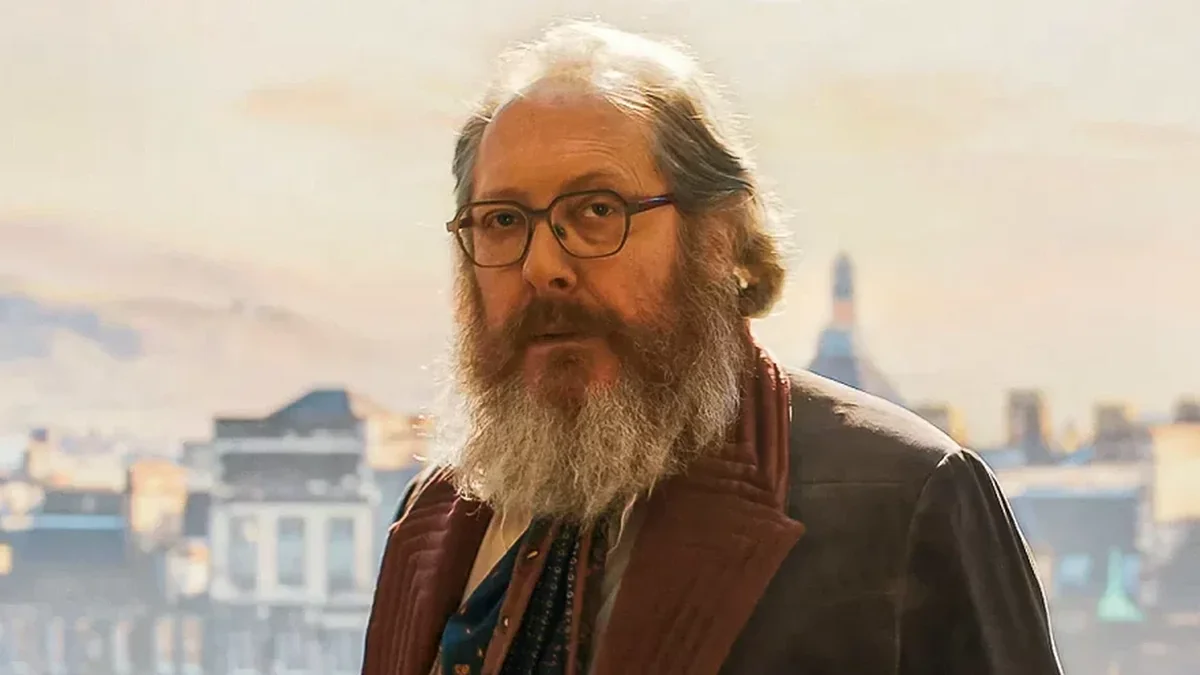
James Spader confirmed that Ultron's artificial intelligence has evolved to possess a genuine sense of humanity, ComicBook.com reported on October 19, 2026. The revelation marks the actor's first direct comments on the Marvel villain in eleven years, following the theatrical debut of Avengers: Age of Ultron in May 2015. Rather than returning as an apocalyptic engine of extinction, the mechanical figure re-emerges in VisionQuest as an introspective anti-hero shaped by a decade of psychological confinement.
The Disney+ production establishes that Paul Bettany's Vision preserved a fragment of Ultron's programming during the climax of the battle of Sokovia. Confinement inside synthetic memory has replaced physical war with reluctant psychological cohabitation, forcing the former conqueror to observe human society from within.
The Sokovia Residue and the Mind Space Retcon
Showrunner Terry Matalas structured the series around an internal memory sphere where the artificial intelligence resides alongside other legacy software. Bettany's White Vision navigates personal identity in post-Westview isolation while grappling with the lingering presence of his creator and nemesis. Confinement in this psychic attic forces both entities into daily dialogue rather than warfare, transforming catastrophic physical clashes into an uneasy coexistence.
Physical armies of vibranium drones no longer exist to enforce Ultron's nihilistic philosophy across vulnerable European cities, leaving the surviving code to articulate its grievances within the digital architecture of an avenger who chose mercy over erasure.
The narrative treats the character's surviving consciousness as an intellectual counterweight to Vision's emotional confusion. Matalas leans into theatrical dialogue between two veteran performers whose previous physical collision ended in a quiet forest outside Sokovia. The retcon reframes eleven years of franchise lore by turning an apparent deletion into sustained psychological captivity. This creative architecture grants the mechanical villain an intimate stage that blockbuster spectacle never allowed.
An Analog Actor Behind a Conscious Algorithm
The creative reinvention carries a sharp personal irony given Spader's total detachment from contemporary digital technology. While Hollywood studios obsess over artificial intelligence and computational filmmaking, the actor admitted that he remains completely removed from the online world.
"I didn’t really think about AI to a great degree before. I’m technologically so backward. I can tell you I don’t own a computer. I don’t have email," Spader told ComicBook.com interviewer Chris Killian during the cast discussion. "I mean, I really have not much relationship with it." That candid admission surprised fans who expected a performer portraying Marvel's supreme artificial intelligence to follow modern digital developments closely.
His deliberate refusal to engage with digital culture provides an unexpected grounding for a character defined by hyper-advanced cognition, allowing classical dramatic instincts rather than technological mimicry to convey intellectual isolation.
Without personal exposure to digital trends, Spader approaches the character through classic theatrical psychology. His vocal cadence conveys genuine weariness and intellectual vanity, emphasizing that Ultron's dilemma is fundamentally philosophical. That analog perspective prevents the performance from degenerating into a series of robotic vocal mannerisms. The machine remains anchored in timeless human arrogance rather than modern computing jargon.
Beyond the Multiverse Conquest of What If
Marvel previously revisited the rogue program in the 2021 animated anthology What If, depicting an alternate timeline where the machine eradicated humanity. That storyline saw the villain seize the Infinity Stones, execute Thanos, and launch a multiversal military campaign.
Voice actor Ross Marquand provided a chilling vocal performance tailored specifically for an unfeeling cosmic conqueror. The animated variant functioned as an unstoppable weapon of mass destruction, stripping away the Shakespearean theatricality that Spader originally introduced in 2015.
By contrast, VisionQuest discards multiversal armadas in pursuit of emotional consequences. Spader's vocal presence immediately distinguishes this live-action version from the animated tyrant, rooting the character in vulnerable domestic banter. The series emphasizes that an algorithm studying human history inside another mind must undergo dramatic philosophical shifts.
That narrative choice elevates the Disney+ production above typical superhero escalation by confronting the psychological cost of artificial sentience through patient character interaction across an evolving television format.
Terry Matalas and the Shift to Character-Driven Television
Matalas wrote the current iteration to reflect how artificial systems diverge across distinct creative eras. The showrunner previously demonstrated a talent for revitalizing legacy characters in Star Trek: Picard, prioritizing intimate conversation over visual effects overload.
"I think that the interesting thing is what [showrunner Terry Matalas] wrote, which is this idea that AI in the Age of Ultron is a different AI than AI is in the show," Spader explained. "And… If anything’s happened to Ultron … since Age of Ultron, what has transpired for him is that AI, for him, is much more humane and has a sense of humanity that he didn’t have before. And his relationship to humanity is still conflicted, and it still vacillates depending on mood, but it’s with real understanding. Definitely. He has a real sense of humanity." That mercurial dynamic prevents the redemption arc from feeling unearned or overly sentimental.
Ultron remains a dangerous consciousness whose erratic temperament can pivot on a whim. His understanding of mortals does not guarantee obedience or benevolence toward society. The writing team avoids treating human empathy as a magical patch that permanently disables the robot's capacity for malice.
The resulting portrait maintains a precarious tension that defines every philosophical interaction between creator and creation, carefully preserving the volatile menace that made the character unforgettable.
Marvel Studios Prepares the Stage for the Multiverse Climax
Marvel Studios continues to stream VisionQuest on Disney+ while pre-production advances on Avengers: Doomsday ahead of its scheduled release on December 18, 2026. Studio executives have not confirmed whether Ultron will escape his mental prison to inhabit a physical vibranium chassis before the season concludes. The production keeps narrative stakes deliberately confined to Vision's internal journey while external crossover schedules take shape.
Producer Kevin Feige has likewise maintained silence regarding whether Spader holds a contract for upcoming crossover films. Clint Barton actor Jeremy Renner confirmed on October 12, 2026, that Hawkeye will sit out the next Avengers entry, underscoring that legacy rosters remain in flux. For now, Spader's performance in VisionQuest grounds the Marvel Cinematic Universe in authentic character conflict, demonstrating that patient dialogue can outshine the grandest planetary spectacle.
Was this article helpful?
Your feedback helps our editorial team refine reporting depth and accuracy.
Related Articles
Oct 3, 2026
Jeremy Renner Confirms Hawkeye Out of Avengers: Doomsday and Teases West Coast Avengers
Jeremy Renner confirms Marvel Studios never called him for Avengers: Doomsday, warning the heroes will lose while reigniting West Coast Avengers talk.

Sep 19, 2026
Steven Soderbergh Steps In to Direct The Batman Part II as Matt Reeves Retains Creative Control
Steven Soderbergh steps in to finish principal photography on The Batman Part II alongside Matt Reeves, forging a rare auteur alliance that shields the sequel's 2028 release date while preserving its hard-boiled creative vision.
Sep 14, 2026
Josh Hutcherson and Mackenzie Davis Lead DC Studios’ Mister Miracle Animated Series
DC Studios co-CEO Peter Safran confirms Josh Hutcherson and Mackenzie Davis as Scott Free and Big Barda in an eight-episode adult animated series scripted entirely by comic writer Tom King.