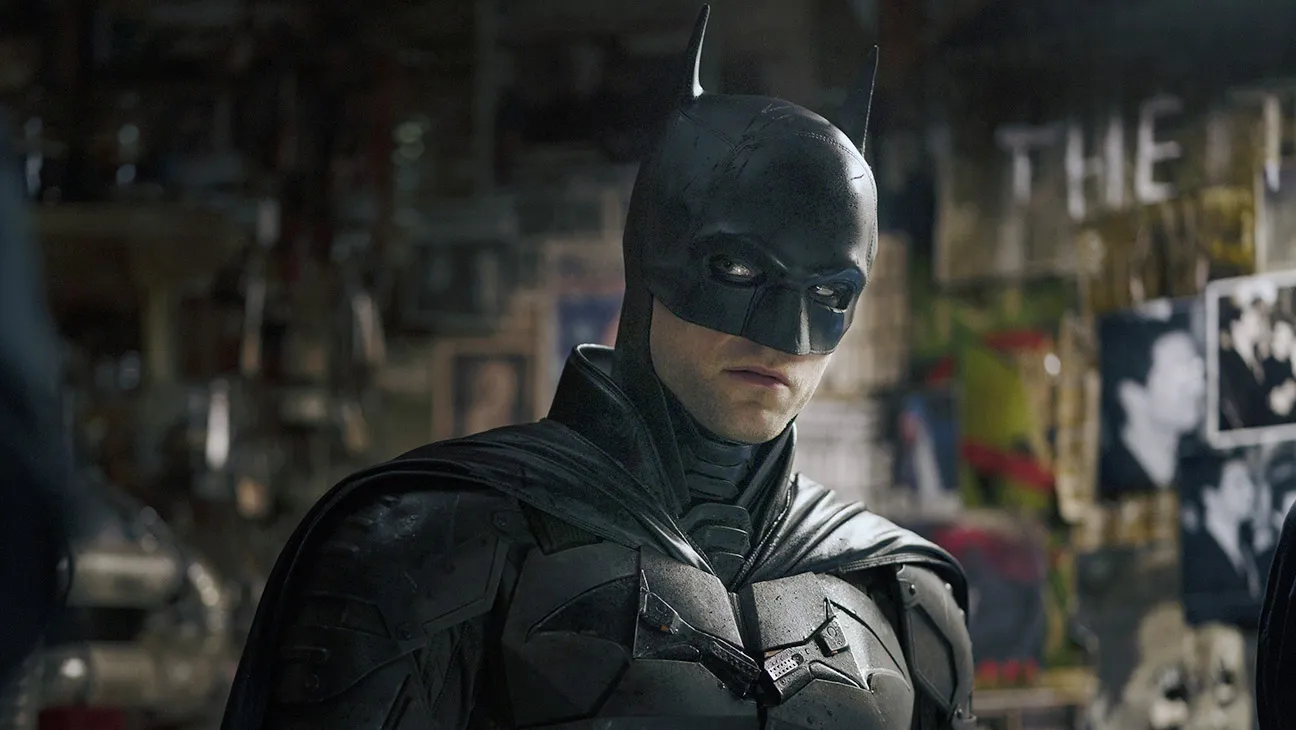
Early Clayface Reactions Confirm DC's Bet on Visceral Body Horror Without Batman
Early critical reactions praise DC Studios' R-rated Clayface for delivering grotesque body horror and a commanding performance from Tom Rhys Harries, proving James Gunn's DCU can thrive by embracing contained genre bets without Bruce Wayne.
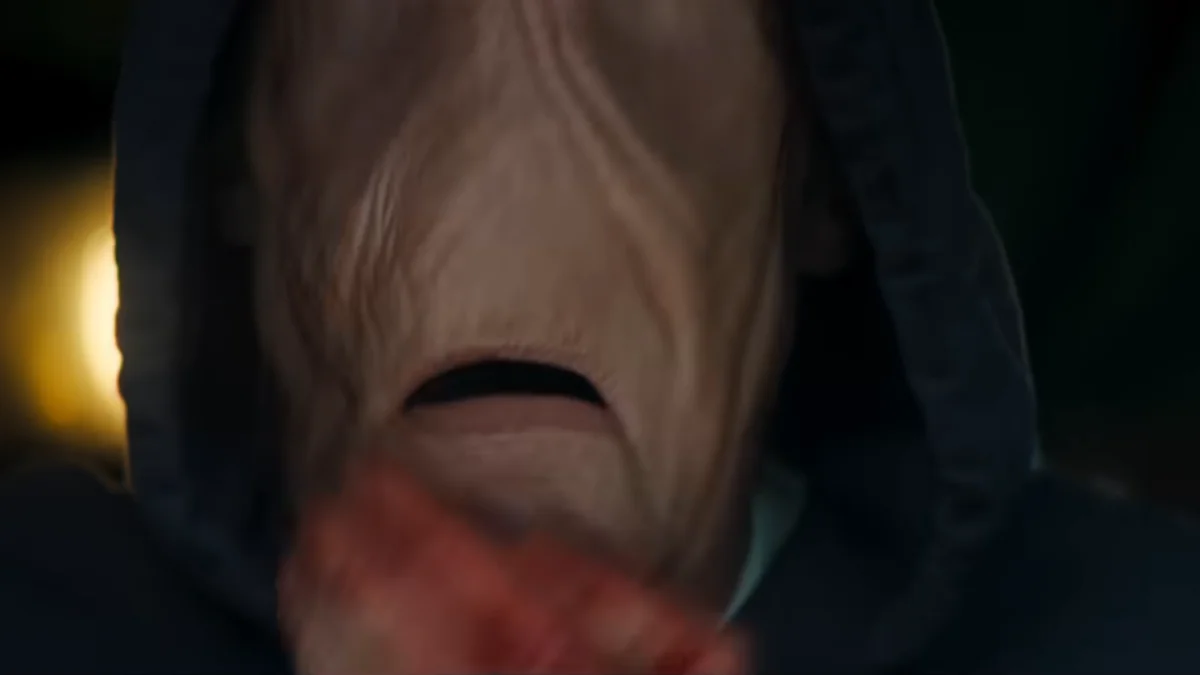
Warner Bros. Pictures and DC Studios screened early press screenings for their R-rated standalone feature Clayface, prompting an initial wave of critical reactions across social media on October 14, 2026. Reviewers praised the mid-budget horror production for delivering grotesque physical transformations and an unyielding performance from lead actor Tom Rhys Harries, as reported by outlets including ComicBook.com and Variety.
The feature marks the first dedicated foray into psychological body horror under James Gunn and Peter Safran's restructured DC Universe slate. Rather than anchoring the tragic villain within an obligatory superhero clash, the creative team deliberately excluded any physical appearance or cameo from Bruce Wayne. That stylistic gamble isolates Matt Hagen’s physical degeneration as an authentic horror vehicle rather than a conventional franchise launchpad.
With a theatrical premiere locked for October 23, 2026, the early consensus suggests that DC Studios has secured an aesthetic victory by abandoning standard blockbuster formulas in favor of concentrated genre discipline.
A Grotesque Reinvention of Gotham’s Tragic Actor
Directed by British filmmaker James Watkins (Speak No Evil, The Woman in Black), Clayface reframes the origin of Matt Hagen around physical ruin and psychological collapse. The character, created in comic lore by Bill Finger and Sheldon Moldoff before reaching animated acclaim in the 1990s, begins as a vain Hollywood actor whose livelihood vanishes following a violent physical assault. His subsequent reliance on an illicit cosmetic compound triggers an irreversible cellular mutation, turning his living tissue into malleable, shifting mud.
Critics who attended the early press screenings highlighted the film's refusal to soften its gruesome imagery. Entertainment journalist Chris Killian of ComicBook.com delivered an emphatic assessment of the production's visceral impact: "CLAYFACE is incredible! It molds Matt Hagen's tragic backstory into a wildly gory spectacle. There are some crazy unique body horror moments that'll make you squirm, but what I loved most is it's also a heartfelt throwback to a bygone era of classic gothic romance films."
Killian’s appraisal underscores the deliberate kinship between Watkins' vision and mid-century monster tragedies. The narrative evokes the physical repulsion of David Cronenberg's The Fly alongside the bitter melodrama of Sam Raimi's Darkman, treating Hagen's metamorphosis as an agonizing illness rather than a superhuman power. Commentator Brandon Davis echoed that praise following the screening, writing on social media that "#Clayface is freakishly awesome. Watkins makes an unsettling Gotham and gets very creative with Clayface's abilities. Gruesome, dark moments and twisted ideas at play. Tom Rhys Harries is a star, literally in the movie and for his performance."
The Economics of a Forty-Million-Dollar Body Horror Bet
Financial discipline represents the core architectural departure separating Clayface from modern comic book cinema. Produced with a reported budget of approximately $40 million, the feature stands in stark contrast to the $200 million price tags routinely attached to superhero tentpoles. Major exhibitor registries at AMC Theatres and Writers Guild of America documentation establish an official runtime of exactly 108 minutes, establishing a concise temporal footprint designed to maximize theatrical turnover without narrative bloating.
That economic restraint mirrors the commercial philosophy that Warner Bros. successfully deployed with Todd Phillips' Joker in 2019, which generated over $1 billion worldwide against a $55 million initial layout. By capping production expenditures at $40 million, DC Studios drastically lowers the break-even threshold, allowing the film to seek profitability through dedicated adult horror demographics rather than broad family audiences.
The screenplay originated from a pitch by filmmaker Mike Flanagan, who developed the initial story before handing the directorial reins to Watkins due to external scheduling commitments. Ahead of the film's promotional rollout, Flanagan moved swiftly to clarify his specific boundary with the completed project. "Clayface, very much is not mine. It's James Watkins' movie," Flanagan stated during an industry panel, affirming that Watkins possessed complete authorial autonomy over the physical staging, atmospheric tone, and final cut.
Narrative Friction and the Demands of Pure Genre
Despite widespread enthusiasm for its horror aesthetics, initial reactions revealed notable narrative friction. Several early assessments, including a preliminary review published by 25YearsLaterSite, awarded the film a 6/10 while observing that the script occasionally hesitates between psychological minimalism and standard comic book origin tropes. Other commentary noted that certain graphic transformations rely on rapid editorial cuts rather than lingering practical showcases, muting the full shock value promised by its hard-R certification.
A secondary criticism centered on the relentless bleakness of Hagen’s descent. Industry observers noted that the production offers almost zero comedic relief across its 108-minute span, demanding total audience endurance as Hagen’s romantic aspirations and physical autonomy dissolve simultaneously.
That uncompromising tone risks polarizing casual viewers accustomed to the lighthearted banter of conventional comic adaptations. Naomi Ackie co-stars as Dr. Caitlin Corr, whose experimental medical intervention precipitates Hagen's monstrosity, alongside supporting performances from David Dencik, Max Minghella, and Eddie Marsan. The dramatic tension depends entirely on whether audiences accept Hagen as an unredeemable monster rather than an anti-hero seeking moral absolution. In an entertainment market saturated with sanitized spectacle, that narrative stubbornness functions as both the feature's primary artistic strength and its chief commercial vulnerability.
Theatrical Rollout and the Boundaries of Chapter One
Warner Bros. Pictures is releasing Clayface across North American theaters and global IMAX venues on October 23, 2026. The distributor is targeting mature horror ticket buyers during the pre-Halloween corridor, leaning into the Motion Picture Association's R rating for strong bloody violence, gore, language, and brief drug use.
DC Studios has not confirmed when or where Tom Rhys Harries will reprise the role of Matt Hagen within the overarching Gods and Monsters release calendar. Co-chairmen James Gunn and Peter Safran have consistently maintained that individual DCU chapters will prioritize tone and self-contained story execution over uniform cinematic universe choreography. The box office trajectory of Clayface will directly measure whether moviegoers are prepared to support an interconnected franchise where Gotham villains operate as horrific cautionary tales without the shadow of the Bat.
Was this article helpful?
Your feedback helps our editorial team refine reporting depth and accuracy.
Related Articles
Oct 9, 2026
James Spader Reinvents Ultron in VisionQuest: How an Analog Actor Humanized Marvel's Deadliest AI
Eleven years after terrorizing Sokovia, Marvel's most volatile artificial intelligence returns inside Vision's psyche as James Spader trades apocalyptic mania for an unexpected study in human conflict.

Oct 3, 2026
Jeremy Renner Confirms Hawkeye Out of Avengers: Doomsday and Teases West Coast Avengers
Jeremy Renner confirms Marvel Studios never called him for Avengers: Doomsday, warning the heroes will lose while reigniting West Coast Avengers talk.

Sep 19, 2026
Steven Soderbergh Steps In to Direct The Batman Part II as Matt Reeves Retains Creative Control
Steven Soderbergh steps in to finish principal photography on The Batman Part II alongside Matt Reeves, forging a rare auteur alliance that shields the sequel's 2028 release date while preserving its hard-boiled creative vision.