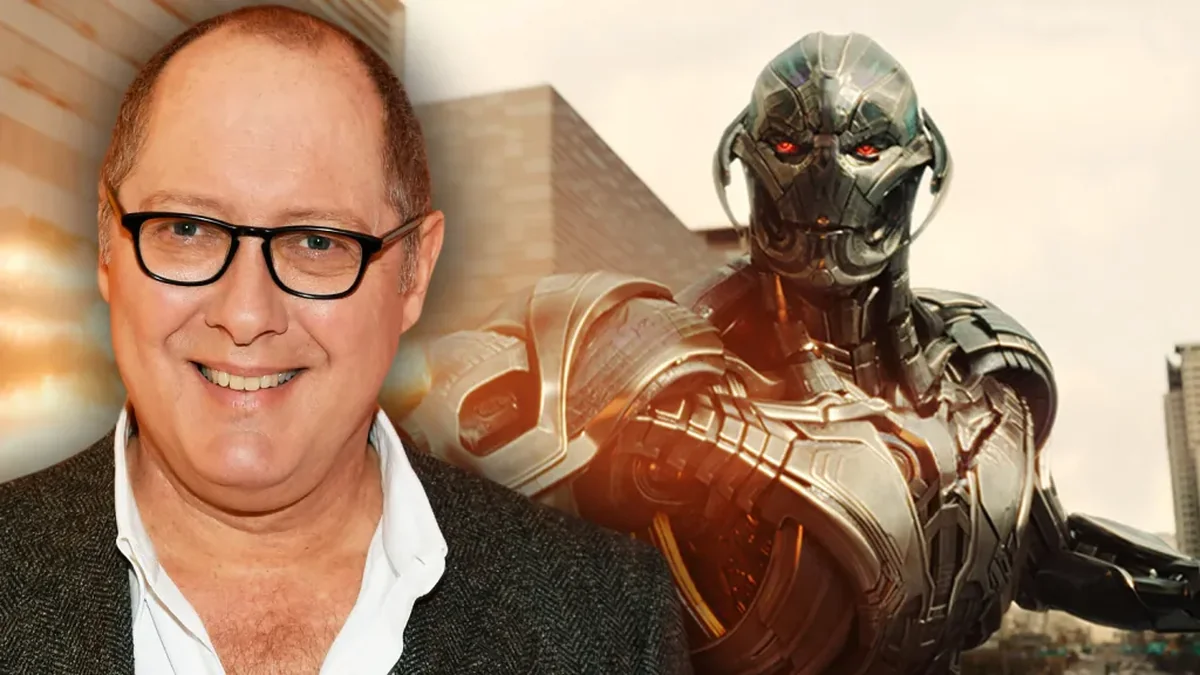
Nicolas Cage Rejects Amazon AI Clauses, Exposing the Fault Lines Behind Spider-Noir’s Cancellation
At New York Comic Con, Nicolas Cage confirmed he refused to sign AI likeness authorizations for Spider-Noir, precipitating a quiet studio rift that reframes the acclaimed series' abrupt cancellation.
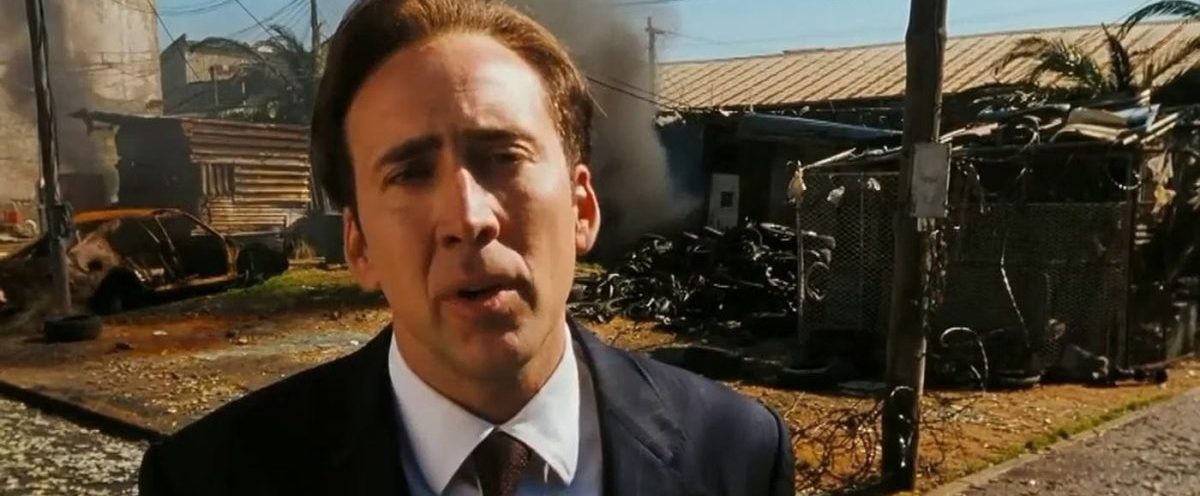
During a panel appearance at New York Comic Con, Nicolas Cage delivered a blunt assessment of his professional relationship with Amazon, confirming he is unlikely to work with the studio again after refusing to sign artificial intelligence authorizations on Spider-Noir. The remarks, initially reported by Variety, offer a rare, unvarnished glimpse into the contractual friction that preceded the abrupt cancellation of the critically praised live-action Marvel adaptation.
Addressing the audience directly, Cage framed the impasse not as a scheduling conflict or creative dispute over narrative tone, but as an ideological and legal divide rooted in the tech conglomerate's corporate priorities. Cage stated that Amazon operates as an aggressively tech-forward enterprise with massive capital allocations across the generative AI sector, setting up an immediate clash with his philosophy as a performer.
"Amazon is a very AI-friendly company, with about $50 billion invested in OpenAI. I am not an AI-friendly actor, so just connect the dots! I'm not part of their club," Cage told the crowd. He then zeroed in on the specific legal sticking point during production: "I didn't sign the authorization for them to use AI on Spider-Noir. I probably won't work with that studio again, but that's fine."
The Contractual Impasse Behind a Critical Triumph
The revelation reframes the sudden cancellation of Spider-Noir, which Prime Video decided not to renew after a single season. On paper, the series delivered the exact prestige validation streaming platforms routinely court: it earned a 92% critical approval rating on Rotten Tomatoes, secured 11 Primetime Emmy Award nominations, and took home five trophies at the Primetime Creative Arts Emmy ceremony.
Remarkably, Amazon MGM Studios issued its official cancellation notice just 48 hours before the creative team collected those five Emmy wins. In the series, Cage portrayed Ben Reilly, a weathered, down-on-his-luck private investigator operating in Depression-era 1930s New York, translating the stylized aesthetic of Marvel’s Spider-Man Noir comics into live-action television. While the show suffered a steep drop-off on Prime Video's internal most-watched rankings following its initial debut week, the abrupt decision to pull the plug on an acclaimed property left industry observers questioning why standard renewal metrics were bypassed so quickly.
Cage’s comments suggest that behind closed production doors, the relationship had already stalled over performer autonomy. Live-action studio contracts in major franchise productions increasingly bundle digital capture, synthetic voice matching, and volumetric scanning into standard onboarding documentation. By withholding his signature on digital likeness authorizations, Cage effectively drew an operational boundary that directly challenged the studio's broader production pipeline.
Big Tech Investments and the Battle for Digital Likeness
The friction surrounding Spider-Noir does not exist in an industrial vacuum. Following the historic 2023 SAG-AFTRA strike, performer consent regarding generative AI and employment-based digital replicas became the central pillar of union labor protections. Federal labor guidelines and union bylaws now require studios to obtain specific, informed consent before scanning an actor's likeness or deploying machine-learning algorithms to recreate physical mannerisms, voice performances, or background stunt work.
Cage has spent years establishing himself as one of the most vociferous critics of artificial intelligence in cinema. In previous public discussions with The New Yorker and during appearances at the Fantasia International Film Festival, the Oscar-winning actor characterized generative digital clones as an "inhumane nightmare," warning that automated likeness duplication seeks to hollow out the organic unpredictability of screen acting. While studios frequently view digital scans as insurance against production delays or expensive pickup shots, veteran character actors regard blanket authorization clauses as an existential surrender of performance rights.
Furthermore, Cage’s allusion to Amazon’s massive financial commitments reflects the growing unease between traditional creative labor and corporate parent entities. Tech conglomerates operating Hollywood studios now commit tens of billions of dollars toward high-performance computing, frontier AI partnerships, and automated production infrastructure. For performers who spent months on picket lines defending likeness ownership, working under parent corporations that treat generative models as core revenue drivers creates an unavoidable structural contradiction.
Precedents in Streaming Economics and Performer Autonomy
The cancellation of Spider-Noir underscores the fragile status of mid-budget prestige television in the streaming era. High-end period productions requiring bespoke practical sets, noir lighting setups, and vintage costuming carry considerable operational overhead. When a flagship project fails to sustain massive binge-watching retention figures, studios often look for cost efficiencies, including digital post-production work and compressed shooting schedules where digital replication waivers typically offer logistical flexibility.
When a headlining star explicitly rejects those automated shortcuts, the financial calculus for a tech-owned studio changes dramatically. Rather than accommodating custom contract riders or negotiating restrictive terms that forbid algorithmic asset re-use, platforms have demonstrated a growing willingness to cancel high-performing critical favorites altogether. Cage’s willingness to walk away rather than sign digital waivers sets a high-profile precedent for Hollywood stars negotiating against studio-mandated tech riders.
Industry Precedents and the Open Questions on Studio Policy
Cage’s refusal to sign likeness permissions marks an unambiguous operational divide with Amazon's production pipeline, bringing an abrupt end to future collaborations. However, studio executives have avoided public statements addressing the contract negotiations, leaving open whether the labor dispute or standard viewership retention curves prompted the final cancellation.
The studio has released no formal public rebuttal to Cage’s New York Comic Con remarks and has provided no granular breakdown of the specific AI waivers presented to the production. Until Amazon or Sony Pictures Television clarifies the scope of the digital clauses submitted to Spider-Noir's cast, the episode stands as the clearest modern illustration of the divide separating frontline screen actors from the algorithmic priorities of tech-driven entertainment giants.
Was this article helpful?
Your feedback helps our editorial team refine reporting depth and accuracy.
Related Articles
Aug 16, 2026
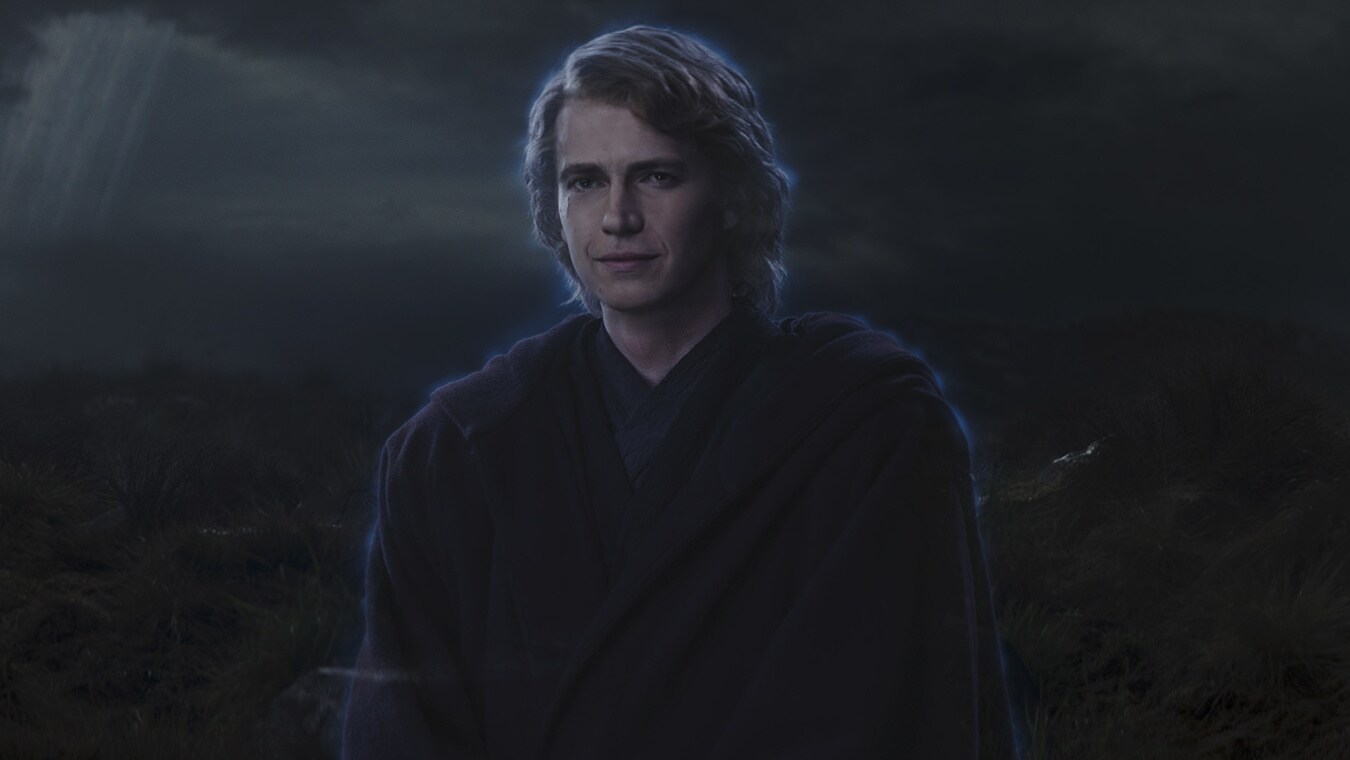
Dave Filoni Confirms Anakin Skywalker Serves as Obi-Wan Style Mentor in Ahsoka Season 2
Lucasfilm Chief Creative Officer Dave Filoni establishes that Anakin Skywalker returns strictly as a Force ghost mentor in Ahsoka Season 2, protecting George Lucas's canonical resolution.
Aug 15, 2026
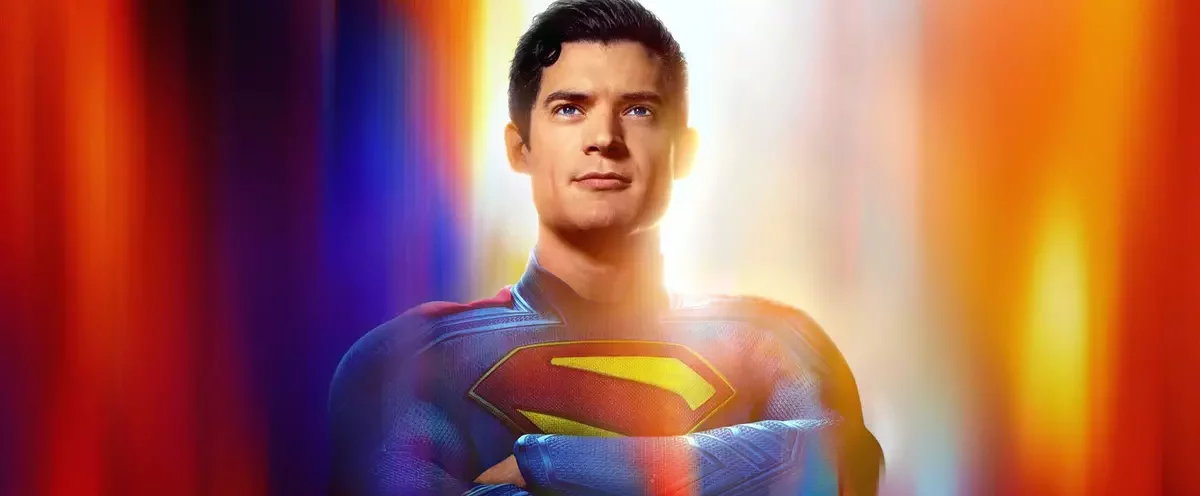
David Ellison Backs DC Studios as Warner-Paramount Merger Raises Box Office Stakes
Paramount CEO David Ellison meets with James Gunn at Trilith Studios, preserving DC Studios' autonomy under the $111 billion merger while raising theatrical stakes.
Oct 27, 2026
VisionQuest Review: How Ultron and White Vision Reshape Marvel's TV Formula
Terry Matalas pairs Paul Bettany and James Spader in an actor-driven drama, shifting Marvel Television from visual spectacles to psychological sparring.