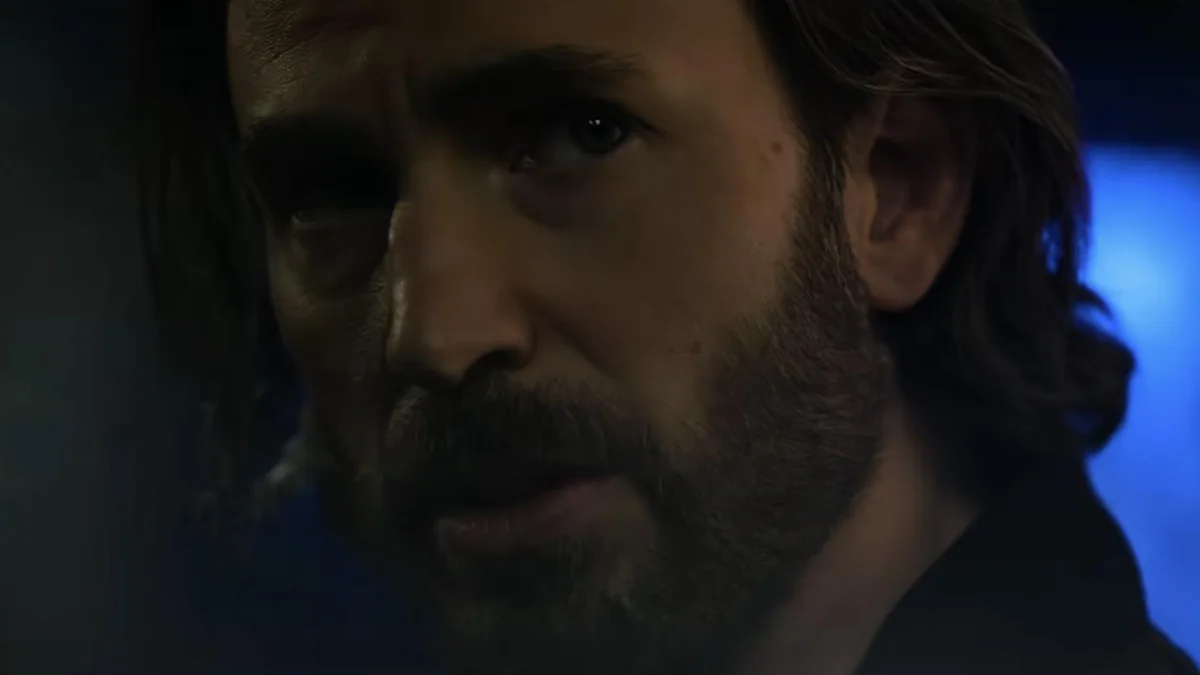
Godzilla Minus Zero Final Trailer Teases King Ghidorah and IMAX Debut
Toho and GKIDS have unveiled the final trailer for Godzilla Minus Zero, previewing post-war Japan's first native IMAX spectacle alongside electric hints of King Ghidorah.
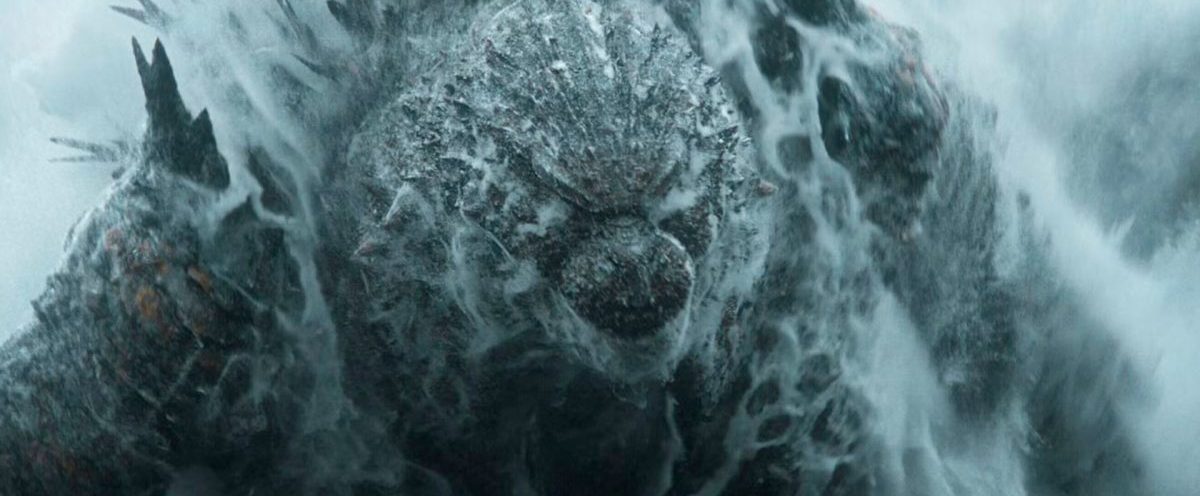
Toho Co., Ltd. and North American distributor GKIDS released the final theatrical trailer for Godzilla Minus Zero, formally detailing the destruction descending upon post-war Japan ahead of its November release window. Set two years after the climax of Godzilla Minus One, the footage grounds its devastation in 1949, anchoring its narrative stakes in a somber promotional tagline: "There is no third time. Everything ends here."
The trailer marks a turning point for Japan's domestic film industry, inaugurating the country's first live-action release officially certified under the "Filmed For IMAX" technical program. Directed, written, and visual effects-supervised by returning filmmaker Takashi Yamazaki, the production reassembles lead performers Ryunosuke Kamiki and Minami Hamabe alongside ensemble veterans Yuki Yamada, Kuranosuke Sasaki, and Hidetaka Yoshioka to confront an escalating crisis that threatens the civilian recovery established after the war.
The IMAX Architectural Leap: Engineering Scale on Yamazaki’s Signature Budget
The technical pivot to native IMAX photography represents an unprecedented departure from standard Japanese blockbuster distribution. Historically, Asian tentpoles presented on oversized commercial screens relied on digital media re-mastering (DMR) post-conversion rather than native capture. For Godzilla Minus Zero, Yamazaki opted for IMAX-certified digital camera packages, composing sequences natively for expanded 1.90:1 aspect ratios while tailoring spatial sound design to premium auditoriums to reproduce the acoustic shockwaves of kaiju combat.
That engineering ambition unfolds against a backdrop of renowned production efficiency. In 2023, Yamazaki’s Godzilla Minus One captured global attention by securing an Academy Award for Best Visual Effects on a thrifty production budget of approximately million, driven by an in-house digital team at Tokyo-based visual effects house Shirogumi. While Toho has not disclosed the exact production budget of Minus Zero, industry observers note that Yamazaki’s dual role as director and VFX supervisor preserves a disciplined pipeline, contrasting sharply with the runaway million budgets common among Western creature features.
By integrating large-format sensors directly into Shirogumi's visual effects workflow, Yamazaki ensures that high-resolution digital assets interact naturally with live-action plates rather than appearing artificially pasted into expansive compositions. The resulting imagery showcases collapsing civil structures, oceanic shockwaves, and civilian evacuations with photographic clarity, proving that regional studio craft can achieve cutting-edge spectacle when creative leadership remains unified behind the lens.
The Cosmic Shadow of King Ghidorah: Elevating the Threat Beyond 1947 Devastation
Beyond technical certifications, the trailer's dramatic focal point centers on a familiar silhouette looming over residential wreckage. The footage showcases suburban housing violently ripped from its foundation alongside a sequence where Godzilla accumulates atomic energy before unleashing an intense blast against sudden golden energy bursts and erratic electrical discharges. While studio promotional materials avoid naming the adversary in formal press copy, the distinctive yellow energy signatures point directly to the arrival of King Ghidorah, the iconic three-headed titan introduced by Toho in 1964.
Pitting Godzilla against a cosmic rival fundamentally alters the dramatic architecture established in the 2023 predecessor. In Minus One, the monster functioned as an allegory for post-conflict helplessness and the immediate fallout of wartime trauma. Transferring the conflict to 1949 while introducing a multi-headed adversary risks shifting the narrative toward standard monster-on-monster spectacle, testing whether Yamazaki can maintain the intimate psychological recovery of Kamiki’s Koichi Shikishima and Hamabe’s Noriko Oishi amidst cataclysmic territorial clashes.
The narrative tension lies in the disparity of civilian resources. In 1947, Japan’s disarmed population defeated the beast through improvised marine engineering and decommissioned naval vessels in Sagami Bay. Facing an airborne adversary that unleashes aerial electrical storms threatens the municipal rebuilding efforts led by returning characters Kenji Noda and Yoji Akitsu, escalating the human struggle from regional survival to national defense without the backing of a standing military.
Festival Acclaim and Box Office Precedents: Navigating the Million Benchmark
Early critical reception indicates that the production navigated that thematic shift without compromising dramatic gravity. Following an early festival premiere at the New York Film Festival on September 26, 2026, IndieWire chief film critic David Ehrlich awarded the film a 'B+', describing the sequel as superior to its predecessor across nearly every technical and narrative axis. Multiple festival critics specifically urged audiences to seek out premium large-format screenings, validating the decision to shoot natively for IMAX screens.
That critical reception arrives alongside immense commercial expectations established by the previous film. Godzilla Minus One generated million in worldwide box office revenue, propelled by an unprecedented .4 million domestic gross in North America that shattered modern theatrical benchmarks for live-action Japanese cinema in the United States. Replicating or exceeding that benchmark requires Minus Zero to capture both returning domestic moviegoers and the global cinephile audience that transformed the first installment into an unexpected word-of-mouth phenomenon.
The international distribution apparatus reflects that elevated standing. Rather than relying on staggered territorial rollouts that leave international markets vulnerable to online piracy, Toho partnered with distributors worldwide to lock in synchronized theatrical footprints. By positioning the feature as an event blockbuster rather than a niche foreign import, the studio aims to solidify Japanese cinema's viability in Western theatrical release windows.
Global Distribution Timelines and the Questions That Remain Open
Toho and GKIDS have established a tightly synchronized international rollout to maximize the November theatrical corridor. The film premieres in Japan on November 3, 2026, coinciding with the franchise's annual Godzilla Day celebrations, alongside day-and-date IMAX Early Access screenings in North America. Theatrical releases follow across Brazil on November 5, before opening wide in US and Canadian cinemas on November 6.
Crucial production details remain strictly guarded by studio brass. Toho has yet to confirm whether King Ghidorah receives formal on-screen attribution or whether further post-war sequels remain on Yamazaki’s drawing board. With the final trailer in circulation, the film's November theatrical bow will determine whether Japan’s flagship monster franchise can permanently balance high-concept IMAX spectacle with the poignant post-war humanity that defined its Oscar-winning renaissance.
Was this article helpful?
Your feedback helps our editorial team refine reporting depth and accuracy.
Related Articles
Aug 15, 2026
David Ellison Backs DC Studios as Warner-Paramount Merger Raises Box Office Stakes
Paramount CEO David Ellison meets with James Gunn at Trilith Studios, preserving DC Studios' autonomy under the $111 billion merger while raising theatrical stakes.

Oct 27, 2026
Clayface Tops Box Office at $24.5M as DC Studios Validates Mid-Budget Horror
DC Studios and Warner Bros. secure an estimated $24.5M domestic debut for 'Clayface' on a $44M budget as James Gunn defends standalone genre storytelling over mandatory crossover machinery.
Oct 25, 2026
Marvel Studios Mobilizes Multiversal War Footage as Doctor Doom Anchors New 'Avengers: Doomsday' Teasers
Marvel Studios debuts an extended 30-second Avengers: Doomsday TV spot during the World Series, uniting the Avengers, X-Men, and Fantastic Four against Doctor Doom.